欢迎进入山东恒能环保能源设备有限公司
欢迎进入山东恒能环保能源设备有限公司


热线电话
0531-69953988
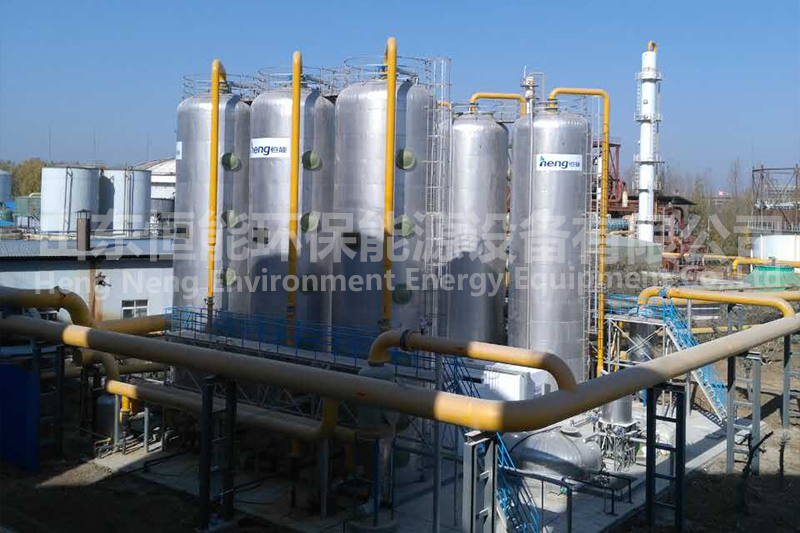
生物脱硫非常反直觉的一点:设备装完、通气、加药,头几天出口H₂S照样超标。业主急得想切干法兜底,其实这时候菌群才刚开始在填料上挂膜。
The most counterintuitive aspect of biological desulfurization is that even after installing the equipment, ventilating, and adding chemicals, the H ₂ S at the outlet still exceeds the standard in the first few days. The homeowner was so anxious that they wanted to use a dry method to cover the bottom, but at this time, the microbial community had just begun to form a film on the filling material.
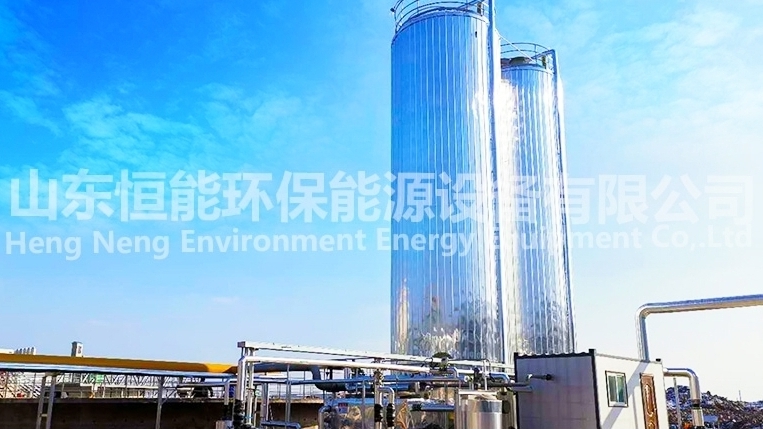
硫氧化菌(常见是硫杆菌一类)不是倒进去就干活。它们要在填料表面形成生物膜,先把沼气里的H₂S溶解、再吸进胞内氧化成单质硫。这个过程一般要7到14天才进入稳态,冬天水温低、进气带水多,会拖到三周。
Sulfur oxidizing bacteria (commonly known as sulfur oxidizing bacteria) do not work just by pouring them in. They need to form a biofilm on the surface of the filler, first dissolving the H ₂ S in the biogas, and then inhaling it into the cell to oxidize it into elemental sulfur. This process usually takes 7 to 14 days to reach steady state, and in winter, the water temperature is low and the intake carries a lot of water, which can drag on for three weeks.
想让它早点“上岗”,现场只管四个旋钮:
To get it on duty early, only four knobs are needed on site:
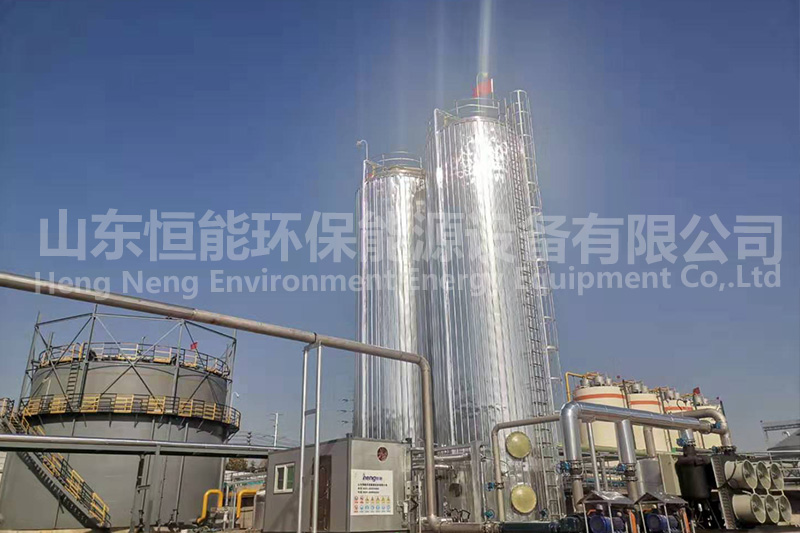
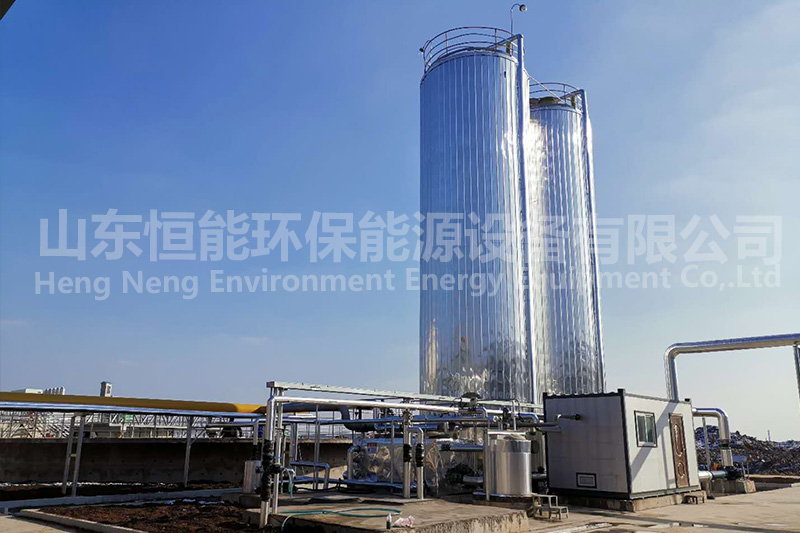
温度锁在28到35℃。低于15℃活性断崖下跌,高于40℃菌种直接死。北方项目塔体外做保温棉+热交换器,别指望靠沼气自身热量扛过夜。
The temperature is locked at 28 to 35 ℃. The activity drops sharply below 15 ℃, and bacterial strains die directly above 40 ℃. Install insulation cotton and heat exchanger outside the tower of the northern project, don't rely on the heat generated by biogas to carry it overnight.
pH分酸法和碱法,别混着调。酸法系统(嗜酸菌)把循环液控制在1.5到2.5;碱法系统(中性菌)控制在6.5到7.5。用错缓冲剂,一次就把菌群酸休克了。
PH is divided into acidic and alkaline methods, do not mix them together. The acid method system (acidophilic bacteria) controls the circulating fluid at 1.5 to 2.5; The alkaline system (neutral bacteria) is controlled at 6.5 to 7.5. Using the wrong buffer, the bacterial community was shocked in one go.
氧气给“刚好够”的量。每去除1kg H₂S大约需要0.5到0.7kg O₂,按沼气量的1/9到1/10配空气,再用在线氧仪联锁风机。氧少了硫氧化不完、氧多了把沼气稀释到爆炸下限以下都是麻烦事。
Oxygen is just enough. For every 1kg of H ₂ S removed, approximately 0.5 to 0.7kg of O ₂ is required. Air is supplied at 1/9 to 1/10 of the biogas volume, and the fan is interlocked with an online oxygen meter. Insufficient oxygen leads to incomplete sulfur oxidation, while excessive oxygen dilutes biogas below the lower explosive limit, both of which are troublesome issues.
营养液别忘补。氮、磷、微量金属是菌群的“饭”,只喷水不补营养,两周后生物膜变薄、脱硫效率自己掉下来。每天按循环液体积补少量营养盐,比一个月后整塔换填料便宜得多。
Don't forget to replenish the nutrient solution. Nitrogen, phosphorus, and trace metals are the "food" of the microbial community. Just spraying water without supplementing nutrients, after two weeks, the biofilm becomes thinner and the desulfurization efficiency drops off on its own. Adding a small amount of nutrients to the circulating liquid every day is much cheaper than changing the entire tower's packing after a month.
再记三条现场红线:
Remember three more on-site red lines:
沼气进塔前过冷凝除水和粗过滤。水汽把填料泡缺氧、粉尘把生物膜糊死,是非常常见的“启动失败”原因。
Before entering the tower, biogas must undergo condensation to remove water and coarse filtration. The most common reason for "startup failure" is that water vapor causes oxygen deficiency in the filling material and dust causes the biofilm to become stuck.
单质硫会慢慢堵填料间隙。压差比刚投用时涨30%就安排反冲洗或排硫泥,别等风机憋停。
Elemental sulfur will gradually block the gaps between the fillers. If the pressure difference increases by 30% compared to when it was first put into use, arrange for backwashing or sulfur sludge discharge instead of waiting for the fan to stop.
停机超过三天再开机,别直接满负荷通气。先小气量闷曝营养液24小时把膜唤醒,再逐步提到设计负荷。
If the machine is shut down for more than three days before restarting, do not directly ventilate at full load. First, expose the membrane to a small amount of nutrient solution for 24 hours to awaken it, and then gradually increase the design load.
把“温度28~35、pH分酸/碱、氧硫比锁死、每周排硫泥”钉在中控室,这套系统跑起来之后,每立方沼气的脱硫成本能压到两分钱以内,比反复换氧化铁省出一个人工工资。
Nail the "temperature 28-35, pH acid/alkali separation, oxygen sulfur ratio locked, and weekly sulfur sludge discharge" in the central control room. After running this system, the desulfurization cost per cubic meter of biogas can be reduced to less than two cents, saving one labor wage compared to repeatedly replacing iron oxide.
 企业二维码


 2026-10-30








 鲁公网安备37011202000764号号