欢迎进入山东恒能环保能源设备有限公司
欢迎进入山东恒能环保能源设备有限公司


热线电话
0531-69953988
污水厂沼气脱硫选型指南:3种工艺对比,避坑不花冤枉钱
Selection guide for biogas desulfurization in sewage treatment plants: comparison of 3 processes to avoid pitfalls and avoid wasting money
做污水厂运营的朋友们,想必都清楚沼气处理的核心痛点——沼气里的硫化氢要是不处理,直接用来发电或供锅炉,设备腐蚀是小事,还可能引发安全隐患,影响生产稳定。但面对五花八门的沼气脱硫工艺,很多人都犯难:到底该选哪种?今天就用通俗的话唠透,把生物脱硫、络合铁脱硫、氧化铁干法脱硫三种主流工艺讲明白,帮大家合理选型、少走弯路。
Friends who operate sewage treatment plants must be aware of the core pain point of biogas treatment - if hydrogen sulfide in biogas is not treated and used directly for power generation or boiler supply, equipment corrosion is a minor issue and may also cause safety hazards, affecting production stability. But when faced with various biogas desulfurization processes, many people are confused: which one should they choose? Today, in layman's terms, we will explain the three mainstream processes of biological desulfurization, chelated iron desulfurization, and iron oxide dry desulfurization, helping everyone to accurately select and avoid detours.
先跟大家铺垫个关键知识点:污水厂产生的沼气,气量虽稳定,但含硫量波动大,还夹杂着不少水分和杂质,绝对不能直接利用,去除硫化氢是必经环节。而选型的核心,就是兼顾脱硫效果、运行成本和污水厂连续运行的需求,没有非常好的工艺,只有非常适配的选择。
First, let me lay a key knowledge point for you: although the biogas produced by sewage treatment plants has a stable gas volume, its sulfur content fluctuates greatly, and it is also mixed with a lot of water and impurities. It cannot be directly used, and removing hydrogen sulfide is a necessary step. The core of selection is to balance desulfurization efficiency, operating costs, and the continuous operation needs of sewage plants. There is no best process, only the most suitable choice.
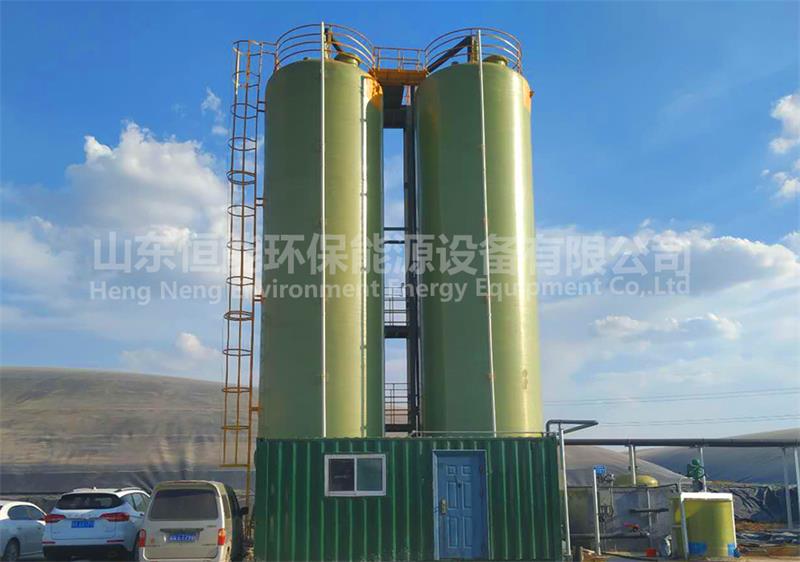
优先推荐的第一种,是生物脱硫工艺,也是污水厂长期稳定运行的优选之一。它的核心原理很简单,利用复合脱硫菌的代谢作用,把硫化氢氧化成单质硫,相当于让“微生物”帮着处理杂质。非常大的优势就是运行成本低,适合长期稳定运行的污水厂,而且处理过程环保,不会产生过多二次污染。不过它也有小短板,需要专人维持菌种活性,对运行管理的要求略高,适合有专业运营团队的污水厂。
The first recommended method is the biological desulfurization process, which is also one of the preferred choices for long-term stable operation of sewage treatment plants. Its core principle is very simple, using the metabolic action of composite desulfurization bacteria to convert sulfide into elemental sulfur, which is equivalent to letting "microorganisms" help process impurities. The biggest advantage is low operating costs, suitable for long-term stable operation of sewage plants, and the treatment process is environmentally friendly, without generating excessive secondary pollution. However, it also has some shortcomings, requiring dedicated personnel to maintain bacterial activity and slightly higher requirements for operation and management, making it suitable for sewage treatment plants with professional operation teams.
第二种同样是优先选项——络合铁脱硫,堪称“省心款”。它靠络合铁溶液的循环氧化还原反应,把硫化氢转化成硫磺,脱硫效率能达到99%以上,几乎能有效去除杂质,满足沼气发电、锅炉供热等各类利用需求。而且脱硫液可以再生,不用频繁更换耗材,后期运行成本低,还非常省人工,适合追求自动化、想减少人力投入的污水厂。唯一的不足就是初次投资相对较高,前期需要多投入一部分资金。
The second option is also a priority - chelated iron desulfurization, which can be called an "efficient and worry free" model. It relies on the cyclic oxidation-reduction reaction of chelated iron solution to convert hydrogen sulfide into sulfur, with a desulfurization efficiency of over 99%, almost completely removing impurities, and meeting various utilization needs such as biogas power generation and boiler heating. Moreover, the desulfurization solution can be regenerated without frequent replacement of consumables, resulting in low operating costs in the later stage and particularly labor-saving, making it suitable for wastewater treatment plants that pursue automation and want to reduce labor input. The only drawback is that the initial investment is relatively high, and an additional amount of capital needs to be invested in the early stage.
第三种是氧化铁干法脱硫,属于“入门款”工艺,适合临时过渡,不推荐污水厂长期使用。它采用固体吸附的方式,原理简单、设备简陋,前期造价低,上手也容易,不用复杂的运营管理。但短板很明显:脱硫剂需要频繁更换,长期运行下来,耗材成本和人工成本都会居高不下,而且适配性有限,跟不上污水厂连续运行的节奏,只适合气量小、预算紧张,且短期使用的场景。
The third method is iron oxide dry desulfurization, which belongs to the "entry-level" process and is suitable for temporary transition. It is not recommended for long-term use in sewage treatment plants. It adopts solid adsorption method, with simple principle, simple equipment, low initial cost, easy to operate, and no need for complex operation and management. But the shortcomings are obvious: the desulfurizer needs to be replaced frequently, and over the long term, the cost of consumables and labor will remain high. Moreover, its adaptability is limited and it cannot keep up with the continuous operation rhythm of the sewage plant. It is only suitable for scenarios with small gas volume, tight budget, and short-term use.
很多污水厂运营者容易陷入误区,要么一味追求低成本选干法脱硫,后期被频繁换耗材、高运维成本拖累;要么盲目跟风选高价工艺,忽略自身运营能力和实际需求。其实选型有明确的优先级:如果追求长期稳定、低成本运行,且有专业运营团队,优先选生物脱硫;如果想省心省人工、看重脱硫效率,愿意承担前期高投入,络合铁脱硫是;只有气量小、预算出彩有限,且短期使用时,才考虑氧化铁干法脱硫。
Many sewage plant operators are prone to falling into the trap of blindly pursuing low-cost dry desulfurization, which is later dragged down by frequent replacement of consumables and high operation and maintenance costs; Either blindly follow the trend and choose high priced processes, ignoring their own operational capabilities and actual needs. In fact, there are clear priorities for selection: if pursuing long-term stability, low-cost operation, and having a professional operation team, biological desulfurization is preferred; If you want to save worry and labor, value desulfurization efficiency, and are willing to bear high initial investment, chelated iron desulfurization is the first choice; Iron oxide dry desulfurization is only considered when the gas volume is small, the budget is extremely limited, and it is used in the short term.
这里跟大家提个醒,选型时不能只看单一维度,还要结合沼气气量、含硫量以及沼气的用途来综合判断。比如沼气用来发电,对脱硫精度要求高,就优先选络合铁脱硫;如果只是简单供热,且运营预算有限,可酌情考虑生物脱硫。
Here is a reminder to everyone that when selecting, one should not only consider a single dimension, but also make a comprehensive judgment based on the amount of biogas, sulfur content, and the use of biogas. For example, when biogas is used for efficient power generation and requires high desulfurization accuracy, chelated iron desulfurization is preferred; If it is only for simple heating and the operating budget is limited, biological desulfurization can be considered as appropriate.
|
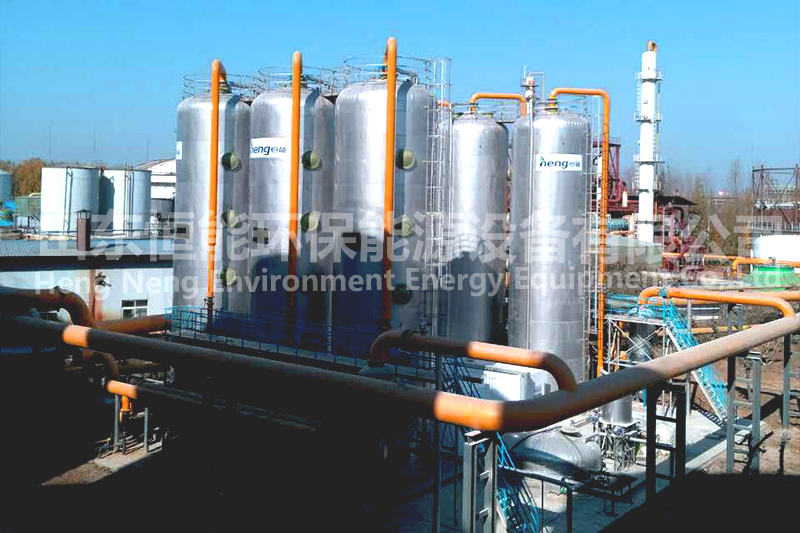
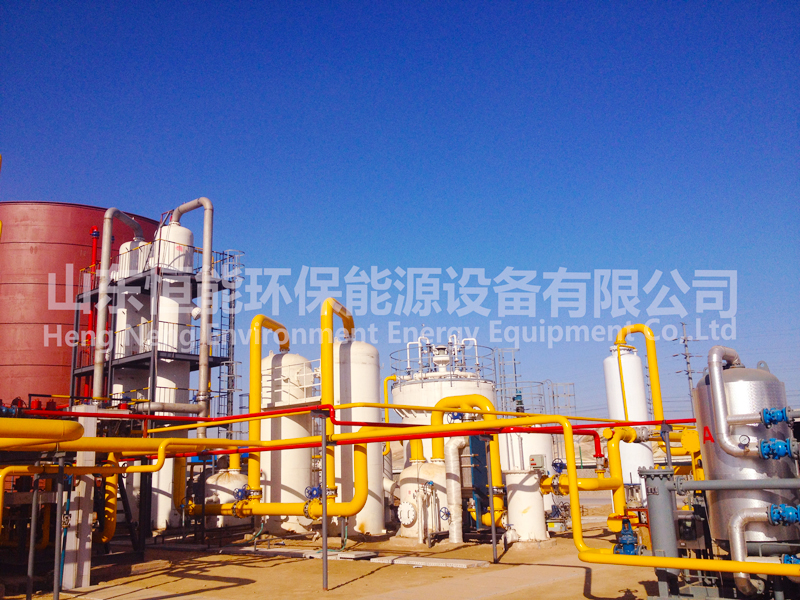
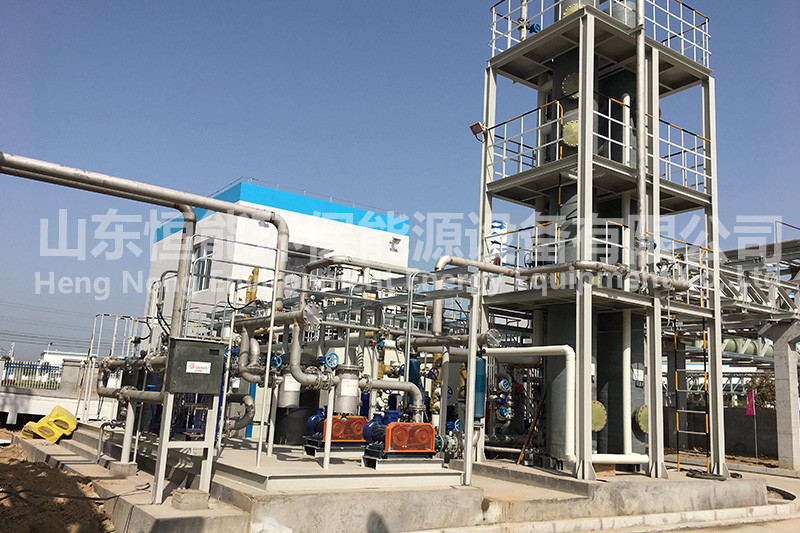
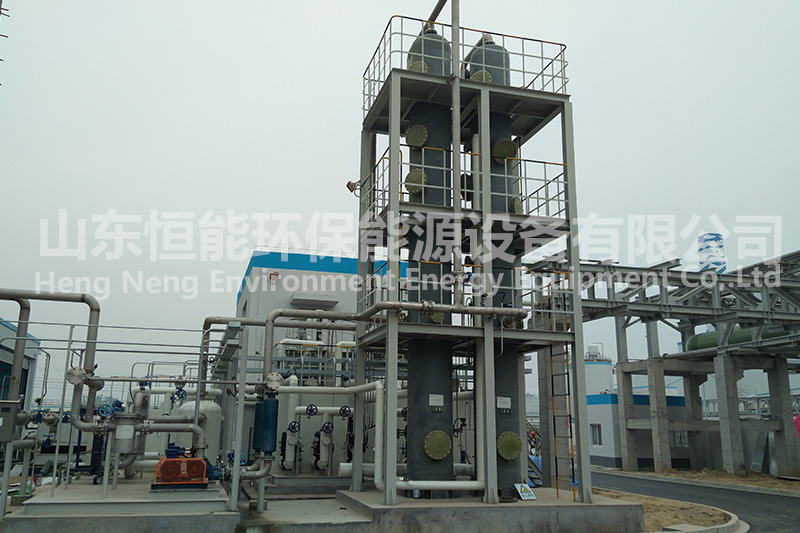
市面上有不少专业企业能提供定制化方案,比如恒常化工,可根据污水厂的实际工况,搭配生物脱硫、络合铁脱硫或干法脱硫工程方案,兼顾稳定脱硫和低成本运行,帮运营者避开选型陷阱,不用自己费心对比调试。
There are many professional companies on the market that can provide customized solutions, such as Constant Chemical, which can be combined with biological desulfurization, chelated iron desulfurization or dry desulfurization engineering solutions according to the actual working conditions of the sewage plant, balancing stable desulfurization and low-cost operation, helping operators avoid selection traps and avoid the need for self comparison and debugging.
总结一下,污水厂沼气脱硫选型,核心是找准自身需求:长期稳定、成本优先选生物脱硫;追求、自动化、省人工选络合铁脱硫;短期应急、预算紧张可临时用氧化铁干法脱硫。选对工艺,既能避免设备腐蚀、保障生产安全,又能控制运维成本,实现沼气资源化利用的利益非常大化。
To sum up, the core of selecting biogas desulfurization for sewage treatment plants is to identify their own needs: long-term stability, cost priority for biological desulfurization; Pursuing efficient, automated, and labor-saving selection of chelated iron for desulfurization; For short-term emergencies and budget constraints, iron oxide dry desulfurization can be temporarily used. Choosing the right process can not only avoid equipment corrosion, ensure production safety, but also control operation and maintenance costs, and maximize the benefits of biogas resource utilization.
如果你的污水厂正面临沼气脱硫选型难题,不清楚自身工况适配哪种工艺,不妨结合气量、硫含量和沼气用途多做对比,也可以找专业团队定制方案,合理匹配需求,不花冤枉钱、不踩选型坑。
If your sewage treatment plant is facing the problem of selecting biogas desulfurization technology and is unsure which process to adapt to its own working conditions, you may want to compare the gas volume, sulfur content, and biogas usage. You can also find a professional team to customize a solution that accurately matches your needs, without wasting money or stepping into selection pitfalls.
 企业二维码
企业二维码


 2026-02-02







 鲁公网安备37011202000764号号