欢迎进入山东恒能环保能源设备有限公司
欢迎进入山东恒能环保能源设备有限公司


热线电话
0531-69953988
沼气脱硫:不止酸碱中和那么简单,实操难点全解析
Biogas desulfurization: more than just acid-base neutralization, all practical difficulties fully analyzed
很多人误以为沼气脱硫,只要用碱性物质与硫化氢发生中和反应即可,实则不然。与普通脱硫脱硝不同,沼气中的硫化氢浓度波动较大,且沼气成分复杂,除了硫化氢,还含有甲烷、二氧化碳、水分等杂质,这些杂质都会影响脱硫反应的效率和效果,这也是沼气脱硫实操中的第一个难点——如何适配波动的硫化氢浓度,确保脱硫效果稳定。
Many people mistakenly believe that biogas desulfurization only requires neutralization reaction between alkaline substances and hydrogen sulfide, but this is not the case. Unlike ordinary desulfurization and denitrification, the concentration of hydrogen sulfide in biogas fluctuates greatly, and the composition of biogas is complex. In addition to hydrogen sulfide, biogas also contains impurities such as methane, carbon dioxide, and water, which can affect the efficiency and effectiveness of desulfurization reactions. This is also the first difficulty in practical biogas desulfurization - how to adapt to the fluctuating concentration of hydrogen sulfide and ensure stable desulfurization effect.
沼气脱硫的核心原理虽基于酸碱中和,但实际操作中,需要先制备适配的碱性脱硫浆液(或脱硫剂),这一步就有严格的要求。脱硫浆液的浓度、配比的合理度,直接影响中和反应的效率:浓度过高,会造成脱硫剂浪费,增加处理成本;浓度过低,则无法充分吸收硫化氢,导致脱硫不达标。同时,浆液的制备还需要考虑沼气中的杂质成分,避免杂质与脱硫剂发生副反应,影响脱硫效果,甚至产生二次污染。
The core principle of biogas desulfurization is based on acid-base neutralization, but in practical operation, it is necessary to prepare a suitable alkaline desulfurization slurry (or desulfurizer) first, which has strict requirements. The concentration and precision of the desulfurization slurry directly affect the efficiency of the neutralization reaction. If the concentration is too high, it will cause waste of desulfurizer and increase processing costs; If the concentration is too low, it cannot fully absorb hydrogen sulfide, resulting in non-compliance with desulfurization standards. At the same time, the preparation of the slurry also needs to consider the impurities in the biogas to avoid side reactions between impurities and desulfurizers, which may affect the desulfurization effect and even cause secondary pollution.
这里补充一个专业知识点:沼气脱硫常用的方法有湿法脱硫和干法脱硫,其中湿法脱硫多采用碱性浆液(如氢氧化钠、碳酸钠浆液)进行酸碱中和反应,适合硫化氢浓度较高的沼气;干法脱硫则采用固体脱硫剂(如氧化铁脱硫剂),通过吸附与化学反应结合的方式去除硫化氢,适合低浓度沼气。无论是哪种方法,都离不开对反应条件的合理控制,这也是实操中的核心难点。
Here is an additional professional knowledge point: The commonly used methods for biogas desulfurization include wet desulfurization and dry desulfurization. Among them, wet desulfurization often uses alkaline slurry (such as sodium hydroxide and sodium carbonate slurry) for acid-base neutralization reaction, which is suitable for biogas with high hydrogen sulfide concentration; Dry desulfurization uses solid desulfurizers (such as iron oxide desulfurizers) to remove hydrogen sulfide through adsorption and chemical reactions, which is suitable for low concentration biogas. Regardless of the method, precise control of reaction conditions is essential, which is also the core difficulty in practical operation.
与脱硫脱硝中对反应温度、催化剂性能的敏感类似,沼气脱硫对反应条件的要求同样严苛。以湿法脱硫为例,反应温度需控制在25-40℃之间,温度过高会导致脱硫剂分解,降低脱硫效率;温度过低则会减缓反应速度,同样影响处理效果。同时,反应过程中还需要控制沼气的流速,流速过快,沼气与脱硫浆液接触时间不足,硫化氢无法充分反应;流速过慢,则会降低处理效率,增加设备运行成本。
Similar to the sensitivity to reaction temperature and catalyst performance in desulfurization and denitrification, biogas desulfurization also has strict requirements for reaction conditions. Taking wet desulfurization as an example, the reaction temperature needs to be controlled between 25-40 ℃. If the temperature is too high, it will cause the desulfurizer to decompose and reduce the desulfurization efficiency; If the temperature is too low, it will slow down the reaction rate and also affect the treatment effect. At the same time, it is necessary to control the flow rate of biogas during the reaction process. If the flow rate is too fast, the contact time between biogas and desulfurization slurry is insufficient, and hydrogen sulfide cannot fully react; If the flow rate is too slow, it will reduce processing efficiency and increase equipment operating costs.
除了反应条件和浆液制备,产物处理也是沼气脱硫实操中容易被忽视的难点,更是避免二次污染的关键。脱硫反应会生成硫化物产物(如硫化钠、硫单质等),这些产物若不及时处理,随意排放,会对土壤、水体造成污染,违背环保要求。因此,脱硫产物需要经过沉淀、过滤、回收等一系列处理,既能实现资源回收利用(如硫单质可回收再利用),又能确保达标排放,这无疑增加了实操的复杂性和难度。
In addition to reaction conditions and slurry preparation, product treatment is also a difficult point that is easily overlooked in the practical operation of biogas desulfurization, and it is also the key to avoiding secondary pollution. The desulfurization reaction will generate sulfide products (such as sodium sulfide, elemental sulfur, etc.). If these products are not treated in a timely manner and discharged indiscriminately, they will cause pollution to soil and water bodies, violating environmental protection requirements. Therefore, desulfurization products need to undergo a series of treatments such as precipitation, filtration, and recovery, which can not only achieve resource recovery and utilization (such as sulfur can be recycled and reused), but also ensure compliance with emission standards. This undoubtedly increases the complexity and difficulty of practical operation.
很多企业在进行沼气脱硫时,之所以会出现脱硫不达标、设备损坏、二次污染等问题,核心就是陷入了“酸碱中和很简单”的认知误区,忽视了实操中的这些难点。比如,部分企业为了节省成本,随意配比脱硫浆液,导致脱硫效率低下;有的企业不控制反应温度和沼气流速,不仅影响脱硫效果,还会加速设备腐蚀;还有的企业不重视产物处理,非常终因二次污染面临环保处罚。
Many enterprises encounter problems such as non-compliance with desulfurization standards, equipment damage, and secondary pollution during biogas desulfurization, mainly due to the misconception that "acid-base neutralization is simple" and neglecting these practical difficulties. For example, some companies arbitrarily mix desulfurization slurry to save costs, resulting in low desulfurization efficiency; Some companies do not control the reaction temperature and biogas flow rate, which not only affects the desulfurization effect, but also accelerates equipment corrosion; Some companies do not attach importance to product handling and ultimately face environmental penalties due to secondary pollution.
值得注意的是,沼气脱硫的实操难度,还体现在对烟气(沼气)成分的合理把控上。沼气中的水分、二氧化碳等杂质,会与脱硫剂发生反应,消耗脱硫剂,降低脱硫效率,因此,在脱硫前,还需要对沼气进行预处理,去除其中的水分、粉尘等杂质,为脱硫反应创造良好条件。这一系列的预处理、反应控制、产物处理环节,环环相扣,明显一个环节出现疏漏,都会影响整个脱硫流程的效果。
It is worth noting that the practical difficulty of biogas desulfurization is also reflected in the precise control of the composition of flue gas (biogas). Impurities such as water and carbon dioxide in biogas will react with desulfurizers, consume desulfurizers, and reduce desulfurization efficiency. Therefore, before desulfurization, it is necessary to pre treat biogas to remove impurities such as water and dust, creating favorable conditions for desulfurization reaction. This series of preprocessing, reaction control, and product processing steps are interrelated, and any omission in any step will affect the effectiveness of the entire desulfurization process.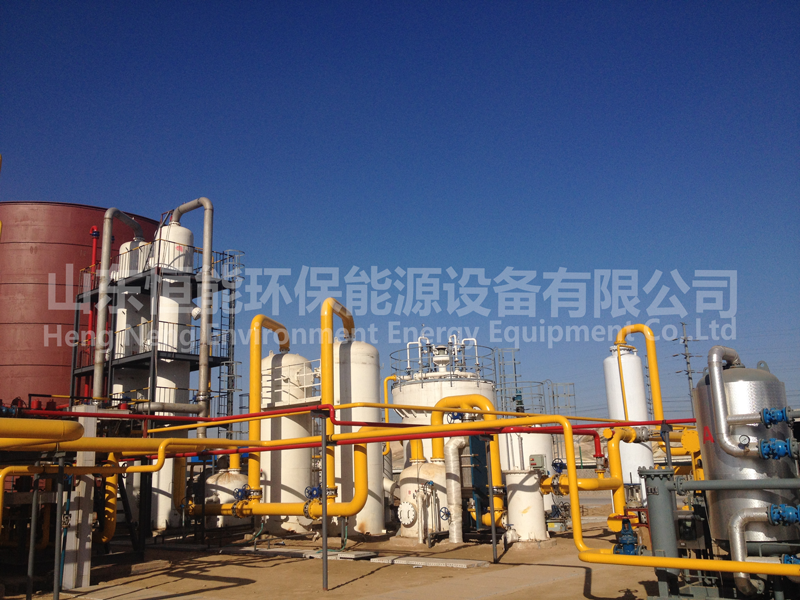
相较于普通的脱硫脱硝,沼气脱硫更具特殊性——它不仅要兼顾脱硫效率,还要适配沼气成分复杂、浓度波动大的特点,同时还要考虑产物回收和环保排放,这也是它看似简单、实则复杂的核心原因。那些认为“沼气脱硫只是酸碱中和”的人,往往只看到了表面的化学反应,却忽略了实际操作中的诸多技术细节和管控要求。
Compared to ordinary desulfurization and denitrification, biogas desulfurization is more unique - it not only needs to balance desulfurization efficiency, but also adapt to the complex composition and large concentration fluctuations of biogas. At the same time, it also needs to consider product recovery and environmental emissions, which is the core reason why it seems simple but is actually complex. Those who believe that "biogas desulfurization is just acid-base neutralization" often only see the surface chemical reactions, but ignore many technical details and control requirements in actual operation.
总结来说,沼气脱硫远不止“酸碱中和”那么简单,它是一个涵盖脱硫剂制备、反应条件控制、沼气预处理、产物处理、排放管控的系统性工程。每一个环节都有严格的实操标准和技术要求,稍有不慎,就会导致脱硫不达标、设备损坏、二次污染等问题。只有打破认知误区,重视实操中的每一个难点,严格遵循技术规范,才能实现沼气的、安全、环保利用,让沼气这一可再生能源真正发挥价值,同时规避环保风险,实现经济效益与环保效益的双赢。
In summary, biogas desulfurization is far more than just "acid-base neutralization". It is a systematic project that covers desulfurizer preparation, reaction condition control, biogas pretreatment, product treatment, and emission control. Each link has strict practical standards and technical requirements. Any carelessness can lead to problems such as non-compliance with desulfurization standards, equipment damage, and secondary pollution. Only by breaking through cognitive misconceptions, paying attention to every difficult point in practical operation, and strictly following technical specifications, can we achieve efficient, safe, and environmentally friendly utilization of biogas, truly realize the value of biogas as a renewable energy source, and avoid environmental risks, achieving a win-win situation between economic and environmental benefits.
 企业二维码
企业二维码


 2026-03-11







 鲁公网安备37011202000764号号