欢迎进入山东恒能环保能源设备有限公司
欢迎进入山东恒能环保能源设备有限公司


热线电话
0531-69953988
在石油、天然气、沼气和工业废气中,硫化氢(H?S)是一种让人头疼的有害气体——它不仅腐蚀设备、污染环境,还对人体健康构成严重威胁。传统的脱硫方法要么耗能高、要么产生二次污染。而生物脱硫技术,凭借微生物的“吃硫”绝活,在常温常压下将硫化氢转化为单质硫,让这个“臭鸡蛋味”的有害气体“灰飞烟灭”。
Hydrogen sulfide (H2S) is a harmful gas that causes headaches in oil, natural gas, biogas, and industrial waste gas. It not only corrodes equipment and pollutes the environment, but also poses a serious threat to human health. Traditional desulfurization methods either consume high energy or generate secondary pollution. And biological desulfurization technology, relying on the unique ability of microorganisms to "eat sulfur", converts hydrogen sulfide into elemental sulfur at room temperature and pressure, making this harmful gas with a "stinky egg smell" disappear into smoke.
生物脱硫(BDS)是通过微生物或酶催化含硫化合物(如H?S、有机硫)选择性断裂C-S键,将硫转化为单质硫或硫酸盐的过程。该技术利用需氧或厌氧菌群在常温常压下分解硫化物,保留有机物碳骨架,具有能耗低、硫资源可回收等显著特点。其核心机理是:在碱性洗涤液中,硫化氢被吸收后形成硫氢根离子,随后在硫氧化菌的催化作用下被氧化为单质硫。这一过程通过化学氧化与生物代谢的耦合作用,实现了硫化氢向单质硫的转化与分离。
Biological desulfurization (BDS) is the process of selectively breaking C-S bonds in sulfur-containing compounds (such as H2S and organic sulfur) through microbial or enzymatic catalysis, converting sulfur into elemental sulfur or sulfate. This technology utilizes aerobic or anaerobic bacterial communities to decompose sulfides at room temperature and pressure, retaining the organic carbon skeleton. It has significant characteristics such as low energy consumption and recoverable sulfur resources. The core mechanism is that in alkaline washing solution, hydrogen sulfide is absorbed to form thiol ions, which are then oxidized to elemental sulfur under the catalytic action of sulfur oxidizing bacteria. This process achieves efficient conversion and separation of hydrogen sulfide to elemental sulfur through the coupling of chemical oxidation and biological metabolism.
生物脱硫技术的发展历程跨越了半个多世纪。该技术起源于1948年美国首个专利,初期因菌群控制难题未能实现工业化。1998年美国IGT研究所分离出降解二苯并噻吩的菌株,推动了技术的重大突破。1992年EBC公司优化玫鸿球菌,实现了脱硫不损耗烃类的目标。2000年后,生物脱硫逐步与加氢脱硫等技术结合形成复合工艺,并在中国石化等项目中验证了工业化应用,硫去除率达99.8%。
The development process of biological desulfurization technology spans over half a century. This technology originated from the first patent in the United States in 1948 and was initially unable to be industrialized due to difficulties in controlling microbial communities. In 1998, the IGT Institute in the United States isolated a strain capable of degrading dibenzothiophene, which led to a significant breakthrough in technology. In 1992, EBC company optimized Streptococcus pyogenes and achieved the goal of desulfurization without loss of hydrocarbons. After 2000, biological desulfurization gradually combined with hydrogenation desulfurization and other technologies to form a composite process, which was verified for industrial application in projects such as Sinopec, with a sulfur removal rate of 99.8%.
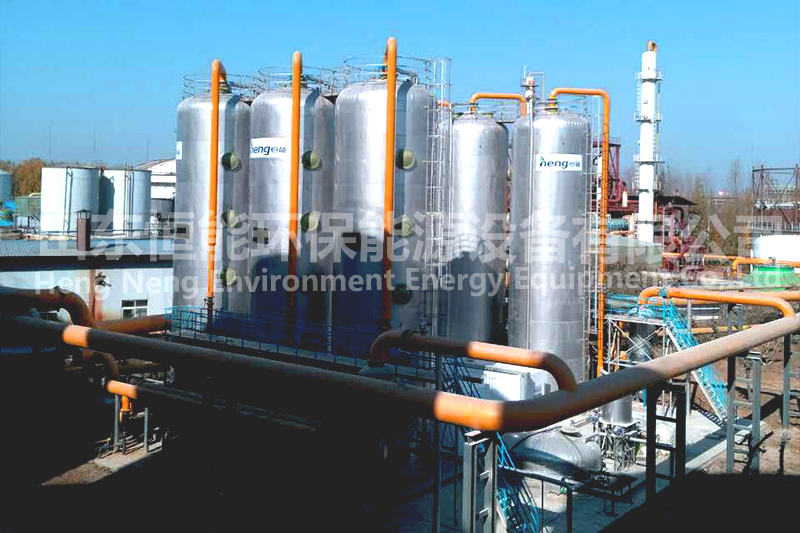
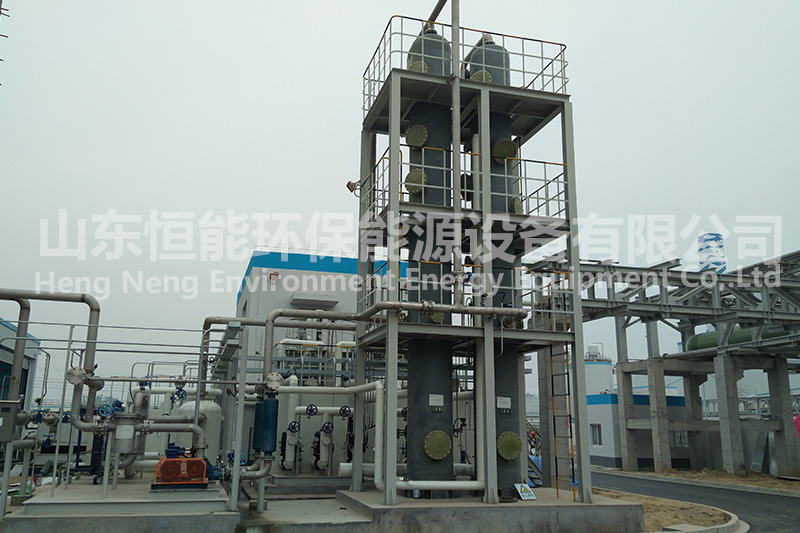
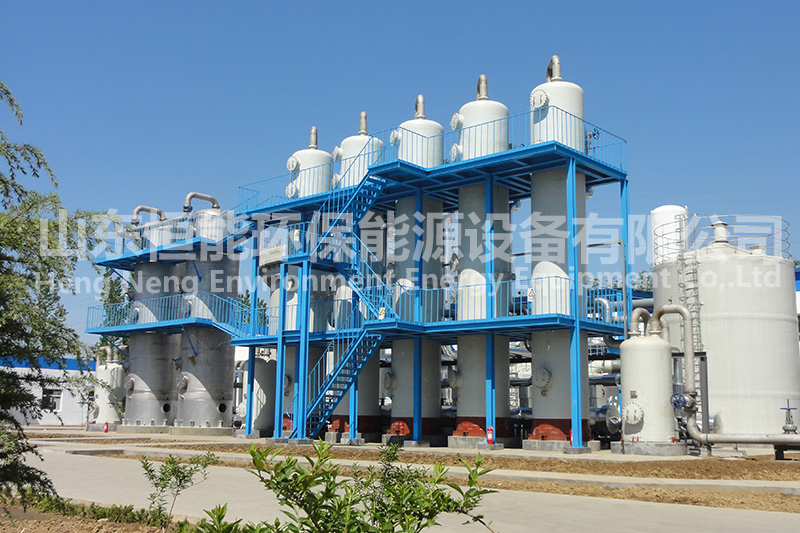
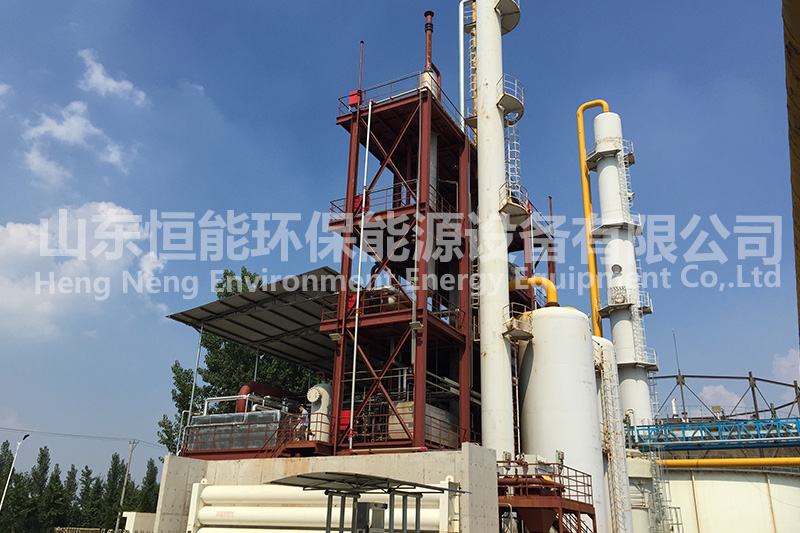
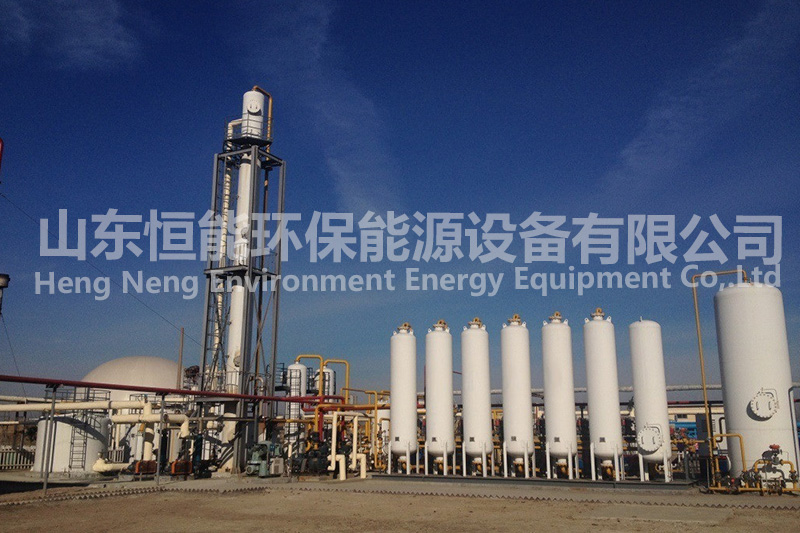
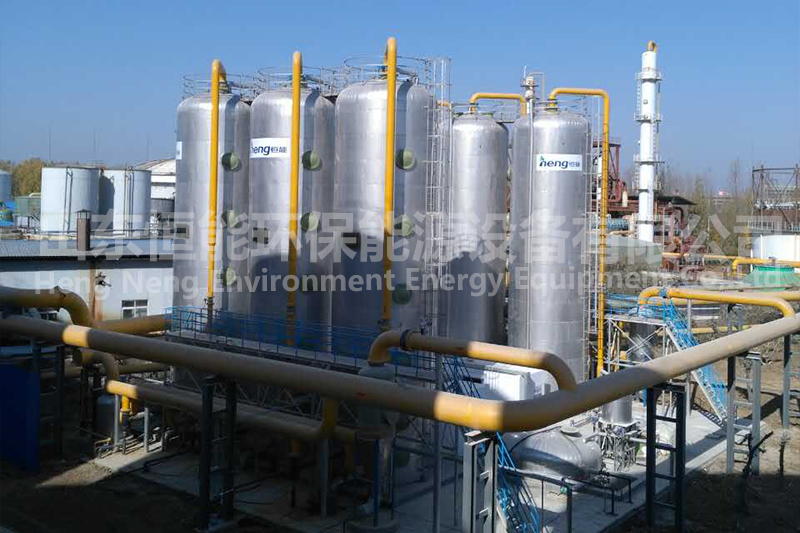
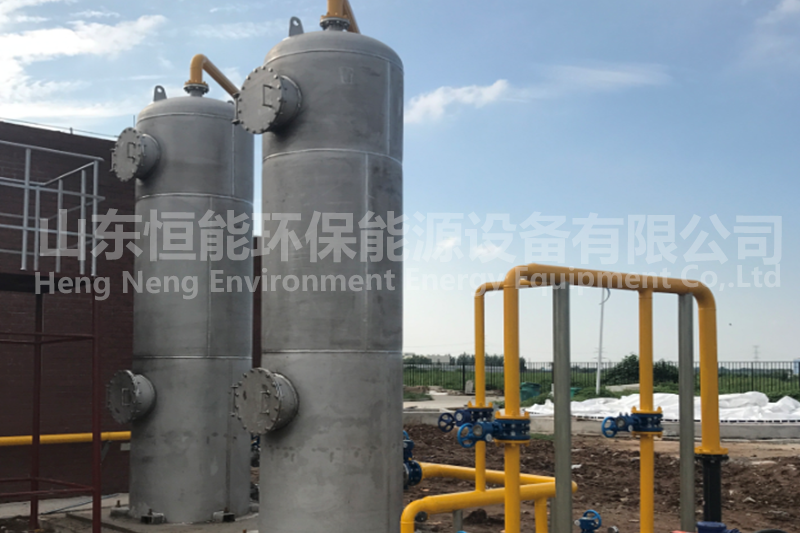
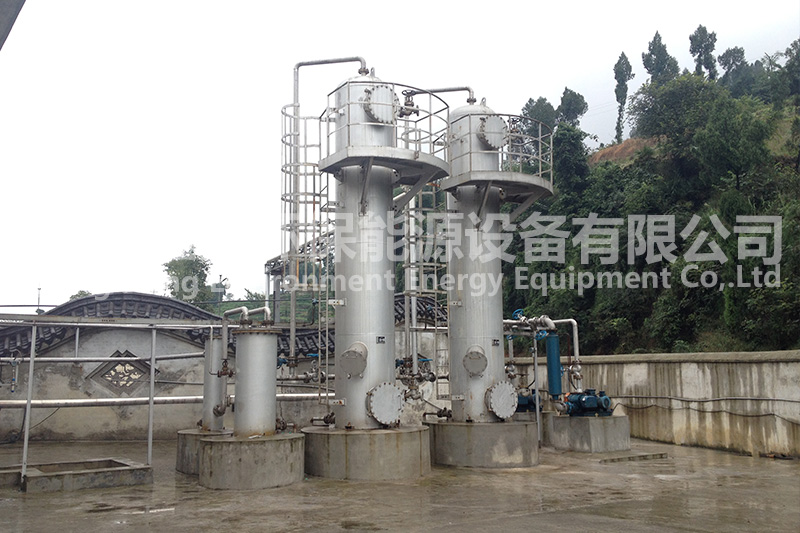
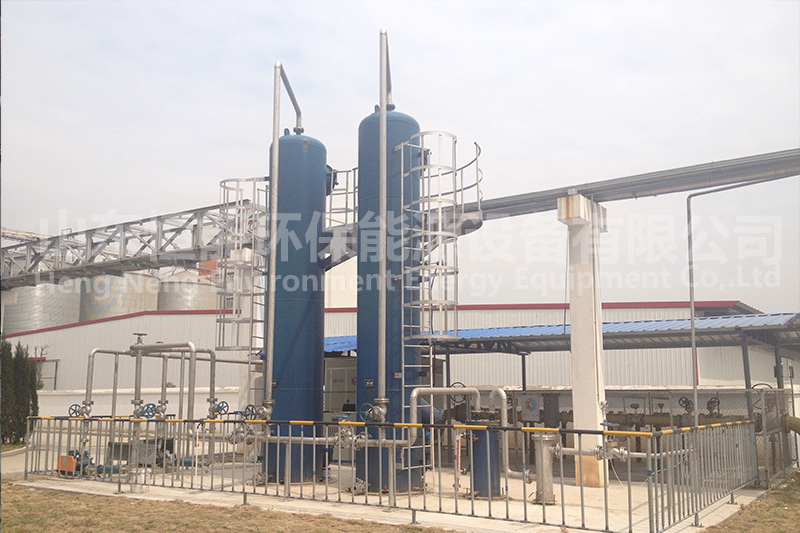
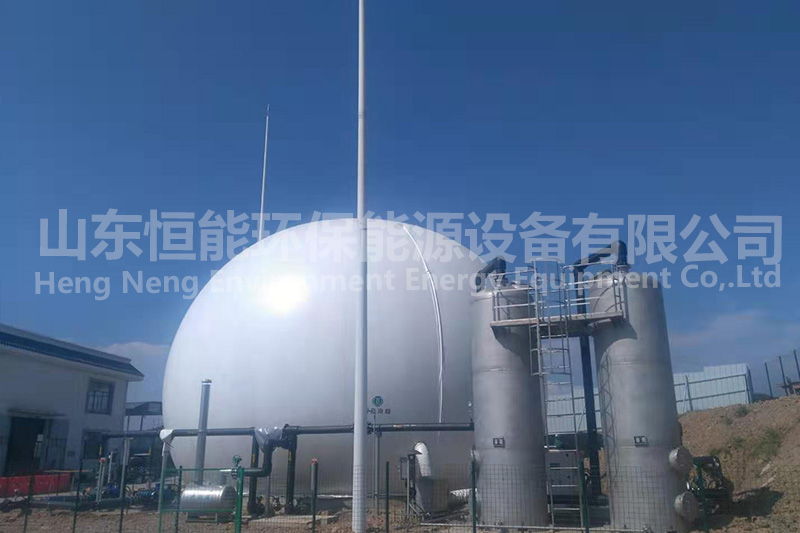
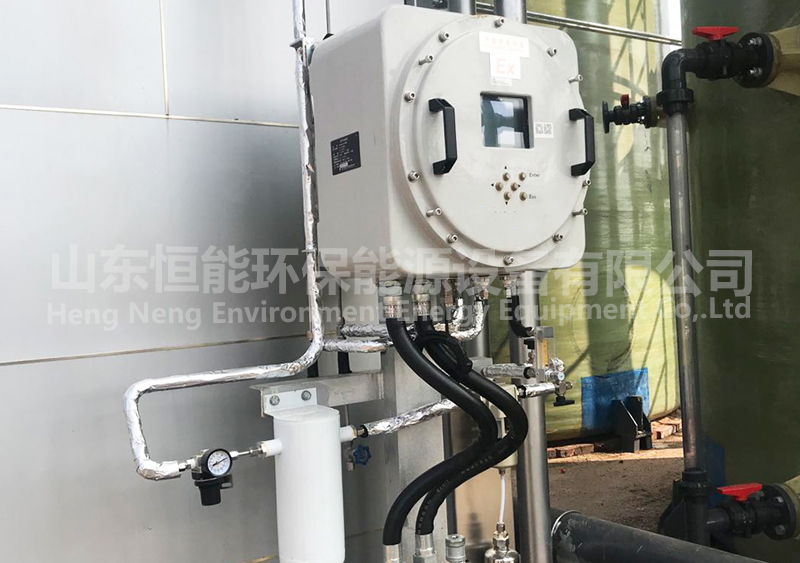
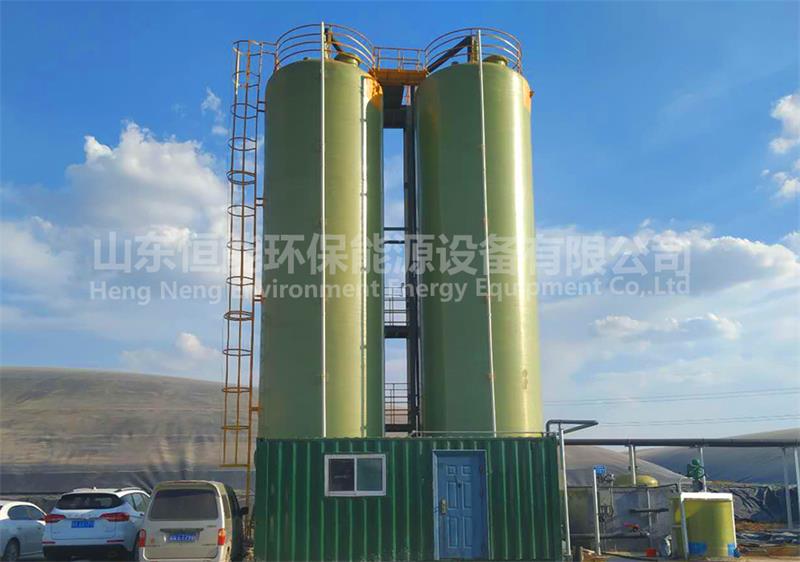
生物脱硫的技术路线主要分为生物过滤法和生物吸附法两大类。在沼气处理领域,生物脱硫又分为一体式和分离式两类——一体式工艺通过空气混合沼气在生物滤池脱硫,适用于低浓度硫化氢;分离式工艺采用洗涤塔与生物反应器分步处理,解决了填料堵塞问题,适用于高浓度硫化氢及沼气提纯场景。生物脱硫技术现已实现产业化应用,中科院成都生物研究所还提出了以硝化处理后的沼液实现同步沼气脱硫和沼液脱氮的新思路。
The technical routes of biological desulfurization are mainly divided into two categories: biological filtration and biological adsorption. In the field of biogas treatment, biological desulfurization can be divided into two types: integrated and separated. The integrated process uses air mixed biogas to desulfurize in a biological filter, which is suitable for low concentration hydrogen sulfide; The separation process adopts a washing tower and a bioreactor for step-by-step treatment, which solves the problem of packing blockage and is suitable for high concentration hydrogen sulfide and biogas purification scenarios. The biological desulfurization technology has now been industrialized and applied. The Chengdu Institute of Biology, Chinese Academy of Sciences has also proposed a new idea of synchronously desulfurization and denitrification of biogas slurry through nitrification treatment.
从石油天然气到沼气工程,从工业废气到污水处理厂,生物脱硫正在用微生物的力量,将“臭气”变成“硫磺”,将“污染”化为“资源”。正如一篇综述所指出的,多硫化物既是生物脱硫过程的中间产物,也是硫氧化菌代谢过程的关键底物,其浓度与链长分布直接影响着单质硫的选择性及分离效率。在这场由微生物主要的“吃硫”行动中,大自然给了人类一份意想不到的清洁礼物。
From oil and gas to biogas engineering, from industrial waste gas to sewage treatment plants, biological desulfurization is using the power of microorganisms to turn "odors" into "sulfur" and "pollution" into "resources". As pointed out in a review, polysulfides are not only intermediate products in biological desulfurization processes, but also key substrates in the metabolism of sulfur oxidizing bacteria. Their concentration and chain length distribution directly affect the selectivity and separation efficiency of elemental sulfur. In this microbial led "sulfur eating" campaign, nature has given humanity an unexpected gift of cleanliness.
本文由生物脱硫友情奉献.更多有关的知识请点击:https://www.hneee.net真诚的态度.为您提供为的服务.更多有关的知识我们将会陆续向大家奉献.敬请期待.
This article is contributed by the friendship of biological desulfurization For more information, please click: https://www.hneee.net Sincere attitude To provide you with comprehensive services We will gradually contribute more relevant knowledge to everyone Coming soon.
 企业二维码
企业二维码


 2026-07-13







 鲁公网安备37011202000764号号