欢迎进入山东恒能环保能源设备有限公司
欢迎进入山东恒能环保能源设备有限公司


热线电话
0531-69953988
沼气脱硫选型避坑:活性炭与脱硫剂,按工况选才不浪费
Selection and avoidance of pitfalls in biogas desulfurization: activated carbon and desulfurizer are selected according to working conditions to avoid waste
沼气脱硫是沼气资源化利用的核心环节,而选型难题一直困扰着很多用户——同样是脱硫,该选活性炭还是脱硫剂?不少人盲目跟风选择,要么达不到理想脱硫效果,要么增加不必要的成本。其实答案很简单:没有绝对的优劣,关键看自身工况,尤其是沼气中硫化氢浓度和有氧/无氧条件。今天,就结合实际应用场景,详细拆解两种脱硫材料的适用情况,有效解答“沼气脱硫,活性炭和脱硫剂该怎么选”这一核心问题,帮大家避开选型误区,合理匹配工况,既保证脱硫效果,又控制成本。
Biogas desulfurization is the core link of biogas resource utilization, and the selection problem has always plagued many users - when it comes to desulfurization, should activated carbon or desulfurizer be chosen? Many people blindly follow the trend and either fail to achieve the desired desulfurization effect or increase unnecessary costs. The answer is actually very simple: there is no absolute superiority or inferiority, the key depends on one's own working conditions, especially the concentration of hydrogen sulfide in biogas and aerobic/anaerobic conditions. Today, based on practical application scenarios, we will analyze in detail the applicability of two types of desulfurization materials, and thoroughly answer the core question of "how to choose biogas desulfurization, activated carbon, and desulfurizer", helping everyone avoid selection errors, accurately match working conditions, ensure desulfurization effect, and control costs.
首先要明确,无论是活性炭(文中提及的环形炭,本质是活性炭的一种)还是脱硫剂,核心作用都是脱除沼气中的硫化氢(H?S),但两者的工作条件、脱硫效果、成本差异出彩大,选型的核心就是“适配工况”,而非盲目追求“效果非常好”或“成本非常低”。很多用户混淆了两者的适用场景,导致脱硫不达标、设备损耗加快,反而得不偿失,这也是我们反复强调“按工况选型”的核心原因。
Firstly, it should be clarified that whether it is activated carbon (the circular carbon mentioned in the article, which is essentially a type of activated carbon) or desulfurizer, the core function is to remove hydrogen sulfide (H2S) from biogas. However, the working conditions, desulfurization effects, and costs of the two differ greatly. The core of selection is to "adapt to the working conditions", rather than blindly pursuing "the best effect" or "the lowest cost". Many users confuse the applicable scenarios of the two, resulting in non-compliance with desulfurization standards and accelerated equipment loss, which is not worth the loss. This is also the core reason why we repeatedly emphasize the principle of "selecting according to operating conditions".
先说说活性炭,它的核心优势是高吸附容量,尤其适合硫化氢浓度较高的场景,且有一个关键前提——在有氧条件下才能正常工作。活性炭(环形炭)的空隙结构十分发达,而碘值是衡量其吸附能力的核心指标,碘值越高,空隙越密集,吸附硫化氢的效果就越好,能快速处理高浓度硫化氢,避免其腐蚀设备、危害人体安全。比如大型沼气工程,沼气中硫化氢浓度偏高,且工况能满足有氧条件,选择高碘值活性炭,脱硫效率高、见效快,能从源头快速控制硫化氢含量,保障后续设备稳定运行。
Let's talk about activated carbon first. Its core advantage is high adsorption capacity, especially suitable for scenarios with high hydrogen sulfide concentration, and it has a key prerequisite - it must work normally under aerobic conditions. The pore structure of activated carbon (annular carbon) is highly developed, and iodine value is the core indicator for measuring its adsorption capacity. The higher the iodine value, the denser the pores, and the better the adsorption effect of hydrogen sulfide. It can quickly process high concentrations of hydrogen sulfide, avoiding equipment corrosion and endangering human safety. For example, in large-scale biogas projects, the concentration of hydrogen sulfide in biogas is relatively high, and the operating conditions can meet aerobic conditions. Choosing high iodine value activated carbon has high desulfurization efficiency and quick results, which can quickly control the hydrogen sulfide content from the source and ensure the stable operation of subsequent equipment.
但活性炭也有明显短板,就是成本相对较高。由于其吸附性能优异,原材料和加工工艺要求更高,相较于脱硫剂,初期投入和后期更换成本都会高出一截,这也是很多用户在选型时犹豫的关键。不过需要注意,在硫化氢浓度高的工况下,即便成本偏高,活性炭也是更优选择——若强行使用脱硫剂,不仅脱硫效果不明显,无法有效脱除高浓度硫化氢,还会因频繁更换脱硫剂,导致长期运维成本大幅增加,反而更不划算。
But activated carbon also has obvious shortcomings, which is relatively high cost. Due to its excellent adsorption performance and higher requirements for raw materials and processing technology, compared to desulfurizers, the initial investment and later replacement costs will be significantly higher, which is also a key factor that many users hesitate when choosing. However, it should be noted that in working conditions with high hydrogen sulfide concentration, even if the cost is high, activated carbon is a better choice. If desulfurizers are forcibly used, not only will the desulfurization effect not be significant and the high concentration hydrogen sulfide cannot be completely removed, but frequent replacement of desulfurizers will also lead to a significant increase in long-term operation and maintenance costs, which is even more uneconomical.
再看脱硫剂,它的核心优势是适用范围广、成本亲民,非常大特点是不受有氧或无氧条件限制,无论沼气工况是有氧还是无氧,大多能正常发挥脱硫作用。这一点比活性炭更灵活,尤其适合工况复杂、无法稳定提供有氧环境的场景。同时,脱硫剂的成本较低,初期投入和后期更换成本都比活性炭更具优势,对于预算有限、沼气中硫化氢浓度偏低的用户来说,是性价比的选择。
Looking at desulfurizers again, their core advantages are wide applicability, affordable cost, and the biggest feature is that they are not limited by aerobic or anaerobic conditions. Regardless of whether the biogas operating conditions are aerobic or anaerobic, they can play a normal role in desulfurization. This is more flexible than activated carbon, especially suitable for scenarios with complex working conditions and unstable aerobic environments. At the same time, the cost of desulfurizers is relatively low, and the initial investment and later replacement costs are more advantageous than activated carbon. For users with limited budgets and low hydrogen sulfide concentration in biogas, it is a cost-effective choice.
但脱硫剂的短板也十分突出,就是脱硫效果受浓度影响较大。在硫化氢浓度较低的工况下,脱硫剂能达到理想的脱硫效果,满足沼气利用的标准;但一旦硫化氢浓度偏高,脱硫剂的吸附能力就会不足,脱硫效果会大打折扣,远不如活性炭明显。如果在高浓度工况下强行使用脱硫剂,不仅无法达到环保和安全标准,还会导致硫化氢泄漏、设备腐蚀等隐患,反而得不偿失。
But the weakness of desulfurizers is also very prominent, that is, the desulfurization effect is greatly affected by concentration. Under low hydrogen sulfide concentration conditions, desulfurizers can achieve ideal desulfurization effects and meet the standards for biogas utilization; But once the concentration of hydrogen sulfide is too high, the adsorption capacity of the desulfurizer will be insufficient, and the desulfurization effect will be greatly reduced, far less obvious than activated carbon. If desulfurizer is forcibly used under high concentration conditions, it not only fails to meet environmental and safety standards, but also leads to hidden dangers such as hydrogen sulfide leakage and equipment corrosion, which is not worth the loss.
总结一下选型逻辑,其实很简单,记住两个核心要点即可:第一,看硫化氢浓度,浓度高选活性炭,浓度低选脱硫剂;第二,看工况条件,有氧条件下可优先选活性炭,无氧或工况复杂选脱硫剂。比如小型沼气项目,沼气中硫化氢浓度低,且无法稳定提供有氧环境,选择脱硫剂既满足需求,又节省成本;而大型沼气工程,硫化氢浓度高、工况稳定且能满足有氧条件,选择高碘值活性炭,虽成本偏高,但脱硫效果有保障,能避免后续隐患。
To summarize the selection logic, it is actually very simple. Remember two core points: first, look at the concentration of hydrogen sulfide. Choose activated carbon for high concentration and desulfurizer for low concentration; Secondly, depending on the operating conditions, activated carbon can be prioritized under aerobic conditions, while desulfurizers can be selected under anaerobic or complex operating conditions. For example, in small-scale biogas projects, the concentration of hydrogen sulfide in biogas is low and cannot provide a stable aerobic environment. Choosing desulfurizers not only meets the demand but also saves costs; For large-scale biogas projects with high hydrogen sulfide concentration, stable operating conditions, and aerobic conditions, high iodine value activated carbon is selected. Although the cost is high, the desulfurization effect is guaranteed, which can avoid potential hazards in the future.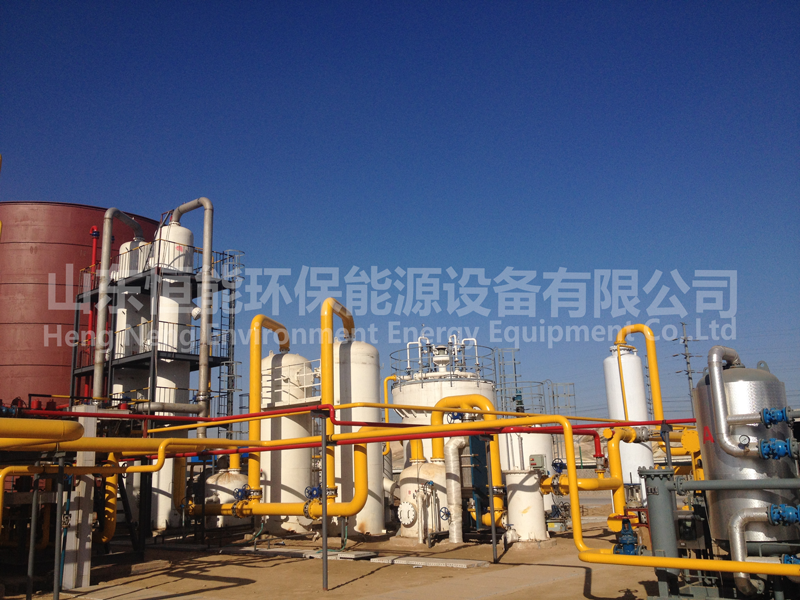
很多用户在选型时,要么只看成本,要么只看效果,忽略了工况的核心影响,非常终导致选型失误。其实沼气脱硫选型,核心是“适配”——适合自己工况的,才是非常好的。活性炭的高吸附性适配高浓度、有氧工况,脱硫剂的高灵活性适配低浓度、复杂工况,两者没有绝对的优劣,关键是结合自身沼气硫化氢浓度、工况条件和预算,做出非常合理的选择。
Many users only consider cost or effectiveness when selecting, ignoring the core impact of working conditions, ultimately leading to selection errors. In fact, the core of biogas desulfurization selection is "adaptation" - what suits one's own working conditions is the best. The high adsorption capacity of activated carbon is suitable for high concentration and aerobic conditions, while the high flexibility of desulfurizers is suitable for low concentration and complex conditions. There is no absolute superiority or inferiority between the two. The key is to make the most reasonable choice based on the hydrogen sulfide concentration of biogas, operating conditions, and budget.
总而言之,沼气脱硫选型无需纠结,找准工况就能合理匹配。活性炭不是“越贵越好”,脱硫剂也不是“越便宜越划算”,结合硫化氢浓度和有氧/无氧条件,按需选择,才能既保证脱硫达标,又控制成本,避免浪费和隐患。如果还是不确定自己的工况该选哪种,不妨结合自身实际情况,多参考专业建议,合理选型,让沼气脱硫更、更省心、更经济。
In summary, there is no need to worry about the selection of biogas desulfurization, as accurate matching can be achieved by finding the right working conditions. Activated carbon is not "the more expensive, the better", and desulfurizers are not "the cheaper, the more cost-effective". By combining hydrogen sulfide concentration and aerobic/anaerobic conditions and selecting according to needs, we can ensure that desulfurization meets standards while controlling costs and avoiding waste and hidden dangers. If you are still unsure which working condition to choose, it is advisable to combine your actual situation, refer to professional advice, and make precise selection to make biogas desulfurization more efficient, worry free, and economical.
本文由 沼气脱硫 友情奉献.更多有关的知识请点击 https://www.hneee.net/ 真诚的态度.为您提供为的服务.更多有关的知识我们将会陆续向大家奉献.敬请期待.
This article is contributed by the friendship of biogas desulfurization For more related knowledge, please click https://www.hneee.net/ Sincere attitude To provide you with comprehensive services We will gradually contribute more relevant knowledge to everyone Coming soon.
 企业二维码
企业二维码


 2026-03-19







 鲁公网安备37011202000764号号