欢迎进入山东恒能环保能源设备有限公司
欢迎进入山东恒能环保能源设备有限公司


热线电话
0531-69953988
5大主流沼气脱硫工艺全解析,选型不对损耗增30%+
Complete analysis of 5 mainstream biogas desulfurization processes, incorrect selection leads to a 30% increase in losses+
沼气作为有机废弃物资源化利用的核心产物,其含有的硫化氢(非常高可达8000ppm)具有强腐蚀性,不仅会缩短管道、发电机组等设备寿命,还会导致后续利用过程中尾气排放超标,成为沼气商业化应用的“绊脚石”。据行业数据显示,全球沼气脱硫市场规模2024年已达84.13亿元,中国市场规模26.92亿元,预计至2030年全球将以9.76%的年增速增长至147.09亿元。当前国内外常用的沼气脱硫工艺主要有5类,不同工艺的适用场景、脱硫效率及运维成本差异显著,合理选型是降低损耗、提升效益的关键。
As the core product of organic waste resource utilization, biogas contains highly corrosive hydrogen sulfide (up to 8000ppm), which not only shortens the service life of equipment such as pipelines and generators, but also leads to excessive exhaust emissions during subsequent utilization, becoming a "stumbling block" for the commercial application of biogas. According to industry data, the global market size of biogas desulfurization has reached 8.413 billion yuan in 2024, with a market size of 2.692 billion yuan in China. It is expected that by 2030, the global market will grow at an annual rate of 9.76% to 14.709 billion yuan. There are mainly five types of commonly used biogas desulfurization processes at home and abroad, and the applicable scenarios, desulfurization efficiency, and operation and maintenance costs of different processes vary significantly. Accurate selection is the key to reducing losses and improving efficiency.
干法脱硫工艺是应用非常广泛的深度脱硫技术,核心通过活性碳系、氧化铁系等固体脱硫剂,将气态硫化物转化为固体硫化物,设备制造简单、操作便捷,脱硫净化度可达99%以上,适合气量小、硫化氢含量低且需深度脱硫的场景。其短板也较为明显,脱硫剂虽可再生但利用价值低,达到饱和硫容后需更换,多用于精脱硫环节,用过的脱硫剂可通过掺煤燃烧或厂家回收再利用。
The dry desulfurization process is the most widely used deep desulfurization technology, which converts gaseous sulfides into solid sulfides through solid desulfurizers such as activated carbon and iron oxide. The equipment is easy to manufacture and operate, and the desulfurization purification degree can reach over 99%. It is suitable for scenarios with small gas volume, low hydrogen sulfide content, and deep desulfurization. Its shortcomings are also quite obvious. Although the desulfurizer is renewable, its utilization value is low. After reaching the saturation sulfur capacity, it needs to be replaced and is mostly used in the fine desulfurization process. Used desulfurizer can be burned with coal or recycled by the manufacturer.
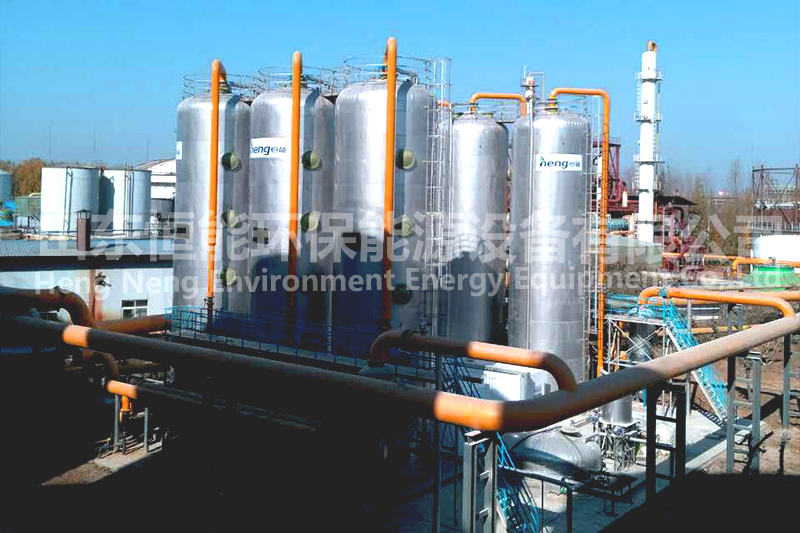
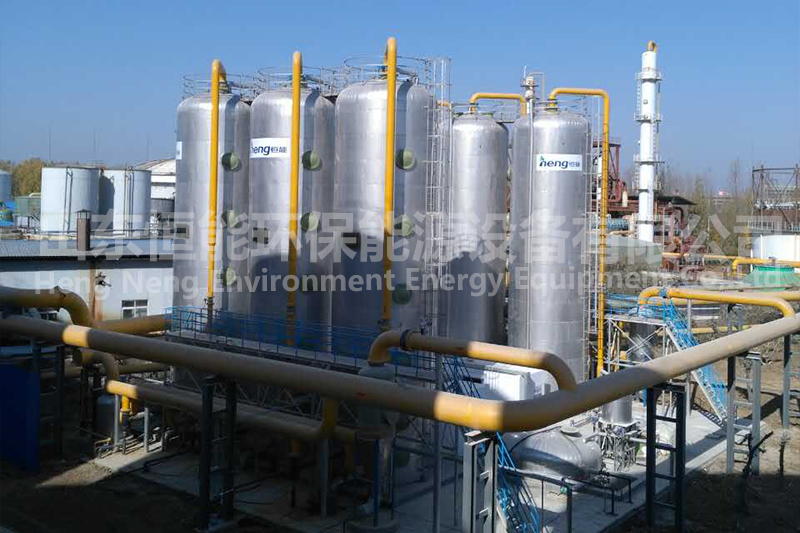
湿式催化氧化法是工业规模化沼气脱硫的主流选择,以纯碱、催化剂和软水为基础脱硫溶液,通过碱液吸收、氧化再生和硫分离三个过程完成脱硫,硫化氢去除率稳定在98%以上。该工艺的核心优势的是吸收液可循环使用,生成的硫膏可作为副产品销售,实现资源回收,适配中大气量、高硫化氢浓度的沼气处理场景,但需配套富液槽、再生槽等设备,前期投入相对较高。
Wet catalytic oxidation is the mainstream choice for industrial scale biogas desulfurization. It uses pure alkali, catalyst, and soft water as the basis for desulfurization solution, and completes desulfurization through three processes: alkali absorption, oxidation regeneration, and sulfur separation. The hydrogen sulfide removal rate is stable at over 98%. The core advantage of this process is that the absorption liquid can be recycled, and the generated sulfur paste can be sold as a by-product, achieving resource recovery and adapting to biogas treatment scenarios with medium to large gas volumes and high hydrogen sulfide concentrations. However, it requires supporting equipment such as rich liquid tanks and regeneration tanks, and the initial investment is relatively high.
生物法脱硫分为碱式和酸式两类,均依托脱硫细菌实现硫化物降解,环保性突出且运行成本较低。碱式生物法采用排硫杆菌,通过硫吸收、生物反应、硫分离三个单元协同作用,生成的硫泥纯度可达95%-98%,经处理后可制成高纯度商品硫磺,适合中低气量场景;酸式生物法以生物滤池为核心,虽无需复杂设备,但需向沼气中混入氧气、氮气,会影响沼气热值和安全性,且脱硫塔易堵塞,需频繁清塔。
Biological desulfurization is divided into two types: alkaline and acidic, both of which rely on desulfurization bacteria to achieve sulfide degradation, with outstanding environmental protection and low operating costs. The basic biological method uses sulfur eliminating bacteria, and through the synergistic effect of sulfur absorption, biological reaction, and sulfur separation, the purity of the generated sulfur sludge can reach 95% -98%. After treatment, it can be made into high-purity commercial sulfur, suitable for medium and low gas volume scenarios; The acid based biological method uses a biological filter as its core. Although it does not require complex equipment, oxygen and nitrogen need to be mixed into the biogas, which will affect the calorific value and safety of the biogas. In addition, the desulfurization tower is prone to blockage and needs to be cleaned frequently.
湿式络合铁催化氧化法是脱硫的优选工艺,依托Fe??络合物的氧化还原性质,直接将硫化氢氧化为单质硫,吸收液可循环再生,脱硫效率可达99.5%以上,且反应速度快、抗干扰能力强,适配高浓度硫化氢、大气量的沼气处理场景。其核心短板是催化剂成本较高,对操作工艺要求更严格,适合对脱硫效率要求高的规模化项目。
The wet chelated iron catalytic oxidation method is the preferred process for efficient desulfurization. Relying on the redox properties of Fe ? ? complexes, hydrogen sulfide is directly oxidized to elemental sulfur, and the absorption solution can be recycled and regenerated. The desulfurization efficiency can reach over 99.5%, and the reaction rate is fast and the anti-interference ability is strong. It is suitable for high concentration hydrogen sulfide and atmospheric biogas treatment scenarios. Its core weakness is the high cost of catalysts, stricter requirements for operating processes, and suitability for large-scale projects with high desulfurization efficiency requirements.
不同工艺各有优劣:干法脱硫适合精脱硫、小气量场景,运维简单但脱硫剂消耗快;湿式催化氧化法适配规模化生产,兼顾效率与资源回收;碱式生物法环保经济,酸式生物法需警惕安全隐患;湿式络合铁法效率非常高,但成本偏高。业内专家表示,沼气脱硫工艺的选型需结合沼气气量、硫化氢浓度、环保要求及运维能力综合判断,选型不当会导致设备损耗增加30%以上,甚至影响项目合规运营。随着沼气资源化利用规模扩大,合理选型、优化工艺,将成为推动沼气产业高质量发展的关键。
Different processes have their own advantages and disadvantages: dry desulfurization is suitable for fine desulfurization and small gas volume scenarios, with simple operation and maintenance but fast consumption of desulfurizers; Wet catalytic oxidation method is suitable for large-scale production, balancing efficiency and resource recovery; The alkaline biological method is environmentally friendly and economical, while the acid based biological method needs to be alert to safety hazards; The wet chelation iron method has the highest efficiency, but the cost is relatively high. Industry experts suggest that the selection of biogas desulfurization processes should be based on a comprehensive assessment of biogas volume, hydrogen sulfide concentration, environmental requirements, and operational capabilities. Improper selection can lead to equipment losses increasing by more than 30%, and even affect project compliance and operation. With the expansion of the scale of biogas resource utilization, precise selection and optimization of processes will become the key to promoting the high-quality development of the biogas industry.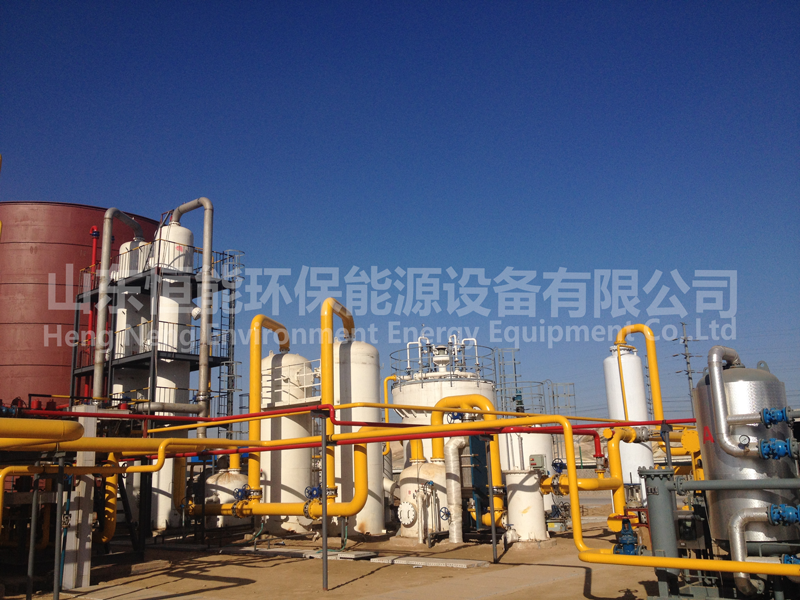
本文由 沼气脱硫 友情奉献.更多有关的知识请点击https://www.hneee.net/真诚的态度.为您提供为的服务.更多有关的知识我们将会陆续向大家奉献.敬请期待.
This article is contributed by the friendship of biogas desulfurization For more related knowledge, please click https://www.hneee.net/ Sincere attitude To provide you with comprehensive services We will gradually contribute more relevant knowledge to everyone Coming soon.
 企业二维码
企业二维码


 2026-04-26







 鲁公网安备37011202000764号号