欢迎进入山东恒能环保能源设备有限公司
欢迎进入山东恒能环保能源设备有限公司


热线电话
0531-69953988
硫化氢(H2S)从哪里来?
Where does hydrogen sulfide (H2S) come from?
沼气中不止含有甲烷,二氧化碳和水,还包括一些少量的其他化合物。虽然,沼气中杂质的含量相对较低,但是在沼气的利用中会产生比较明显的副作用。沼气中的杂质会对沼气应用的设备造成问题,包括腐蚀和机械磨损。在沼气的燃烧中,杂质还会产生无用污染物的排放。未经净化的沼气中非常常见的杂质有硫化氢,氨气,氧气和氮气。硫化氢是由细菌(微生物)生化过程产生的,可以减少发酵罐中硫化物的含量并转化为硫化氢。这些细菌也出现在发酵罐中,同时和形成甲烷的细菌争夺相同的基质,造成甲烷形成的减少和硫化氢的形成。富含硫元素的发酵原料主要包括富含蛋白质的原料,例如鸡粪、酒糟等。
Biogas contains not only methane, carbon dioxide, and water, but also small amounts of other compounds. Although the content of impurities in biogas is relatively low, there will be significant side effects in the utilization of biogas. Impurities in biogas can cause problems for equipment used in biogas applications, including corrosion and mechanical wear. In the combustion of biogas, impurities can also generate the emission of useless pollutants. The most common impurities in unpurified biogas are hydrogen sulfide, ammonia, oxygen, and nitrogen. Hydrogen sulfide is produced by biochemical processes of bacteria (microorganisms), which can reduce the content of sulfides in fermentation tanks and convert them into hydrogen sulfide. These bacteria also appear in the fermentation tank, competing with methane forming bacteria for the same substrate, resulting in a reduction in methane formation and the formation of hydrogen sulfide. Fermentation materials rich in sulfur mainly include protein rich materials, such as chicken manure, distiller's grains, etc.
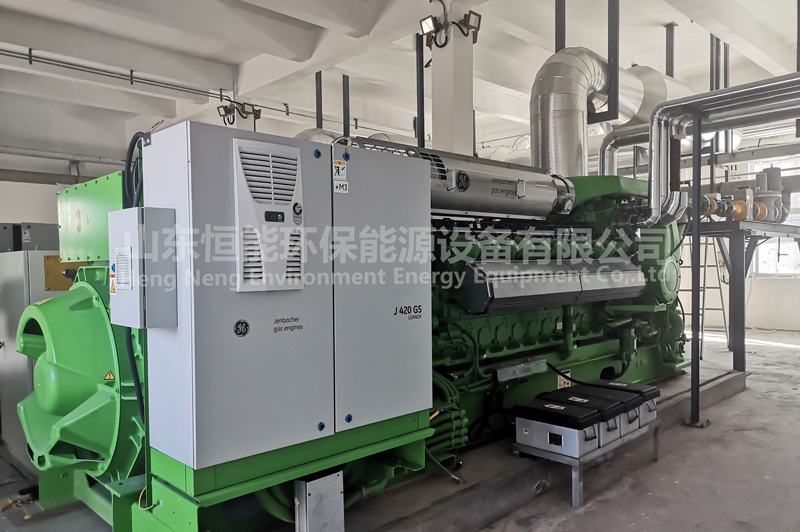
在利用禽类粪污为发酵原料的项目中,粗沼气中的H2S的含量能达到5000ppm甚至更高,而沼气利用设备,如有的沼气CHP机组要求H2S的含量低于100ppm,有的沼气锅炉要求低于20ppm,而有的沼气提纯设备要求低于15ppm。因此沼气脱硫是沼气净化工艺环节的重中之重,也是沼气净化工艺环节投资非常大的部分。常见的沼气脱硫技术包括干法脱硫、湿法脱硫和生物脱硫,对于规模化的沼气项目来说,常采用生物脱硫(粗脱硫)+干法脱硫(精脱硫)的组合工艺,以达到后端沼气利用设备的硫化氢入口要求。
In projects that use poultry manure as fermentation raw material, the content of H2S in crude biogas can reach 5000ppm or even higher, while biogas utilization equipment such as some biogas CHP units require H2S content below 100ppm, some biogas boilers require H2S content below 20ppm, and some biogas purification equipment requires H2S content below 15ppm. Therefore, biogas desulfurization is the top priority in the biogas purification process and also the largest investment in the biogas purification process. Common biogas desulfurization technologies include dry desulfurization, wet desulfurization, and biological desulfurization. For large-scale biogas projects, a combination process of biological desulfurization (coarse desulfurization) and dry desulfurization (fine desulfurization) is often used to meet the hydrogen sulfide inlet requirements of the back-end biogas utilization equipment.
何为生物脱硫?
What is biological desulfurization?
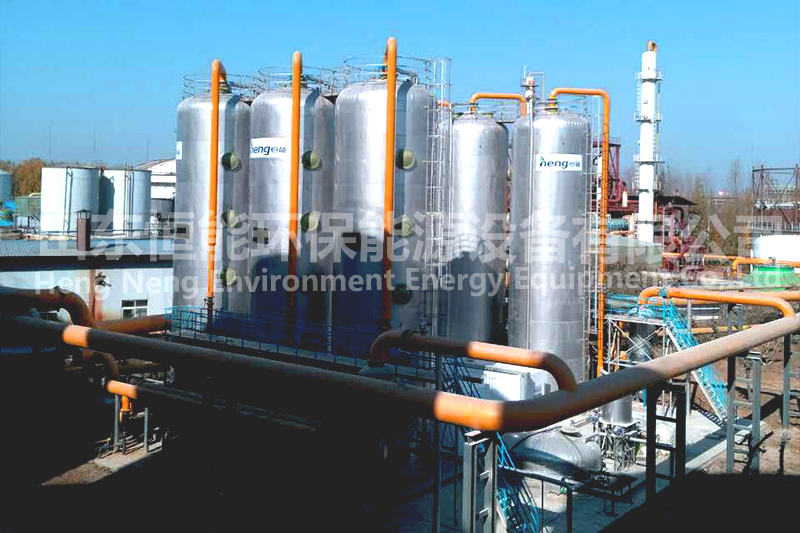
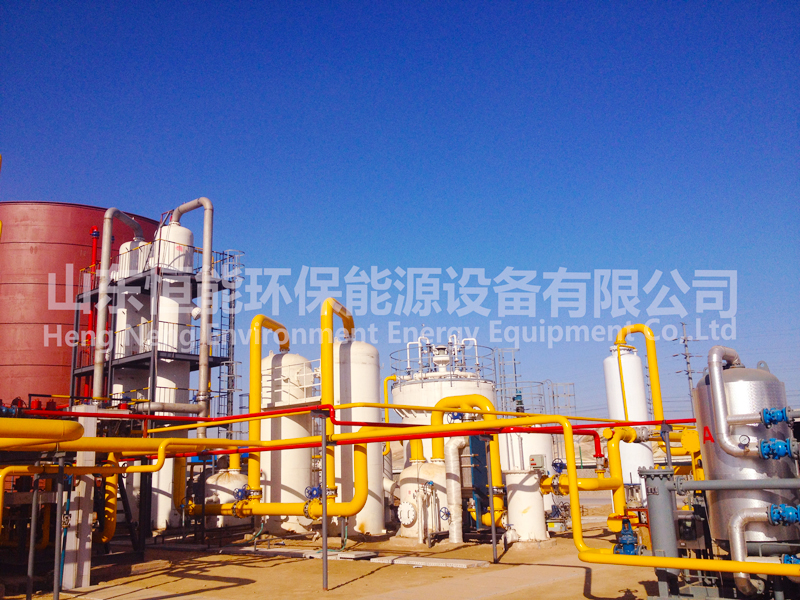
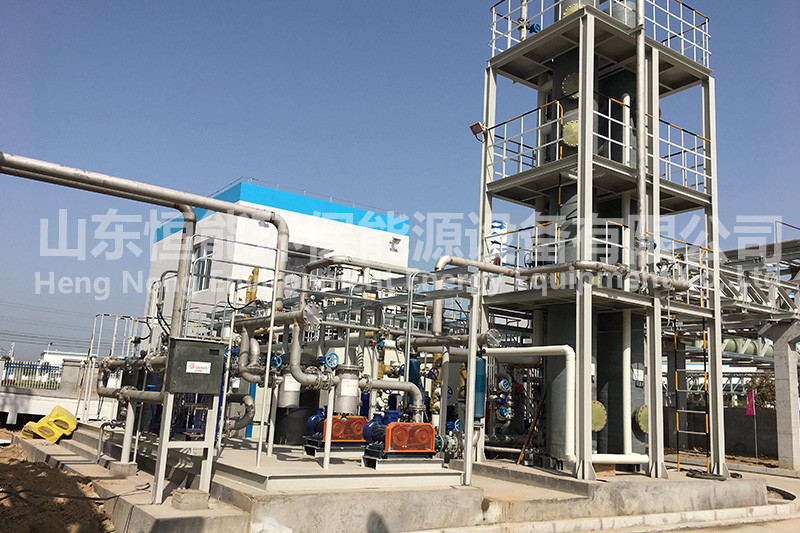
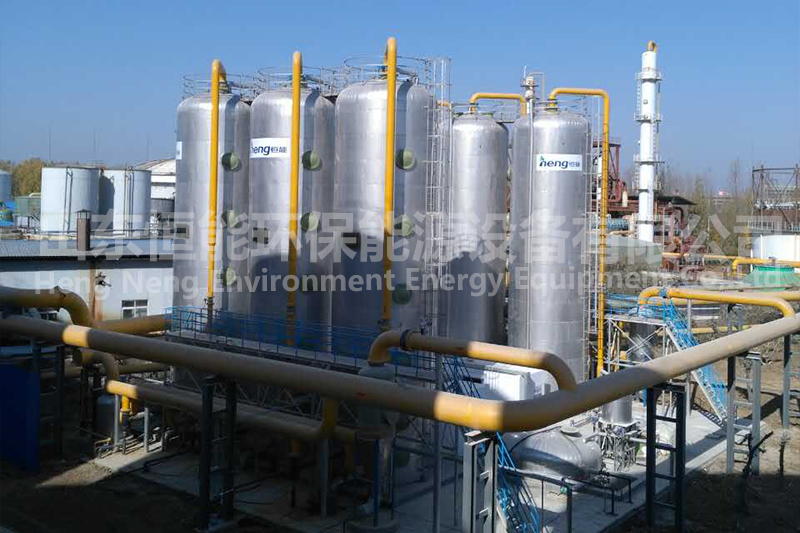
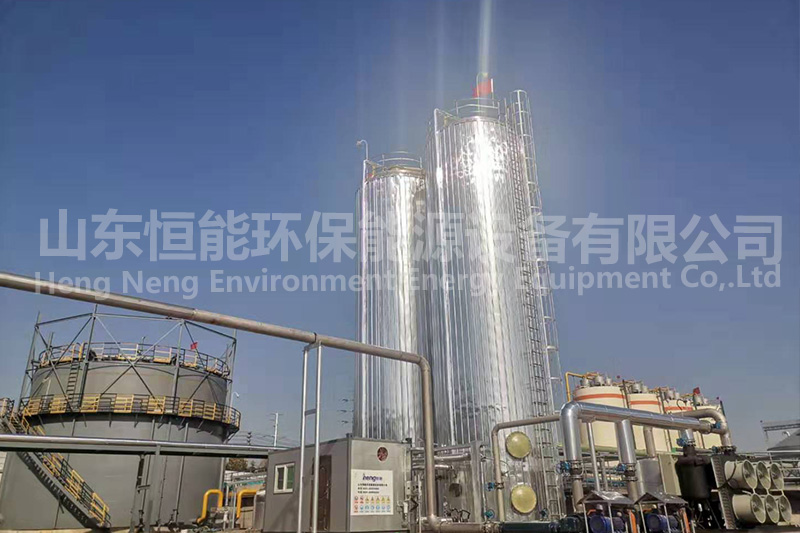
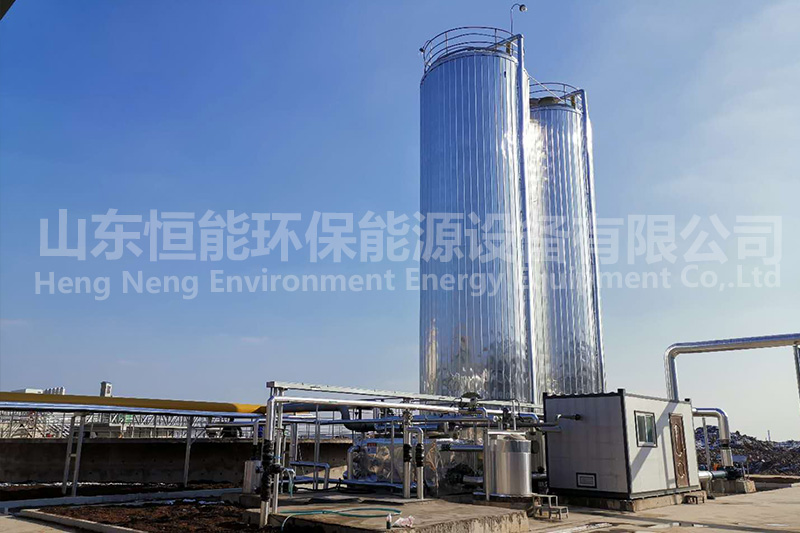
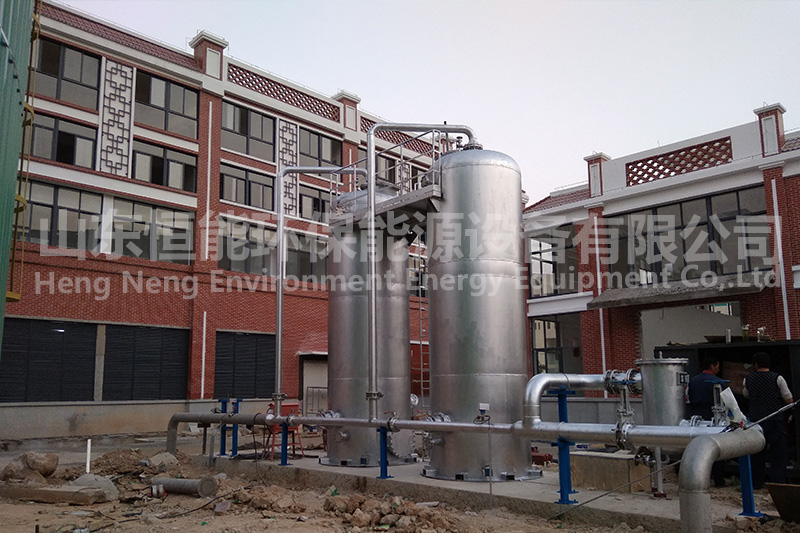
生物脱硫法又被叫做生物催化脱硫(Biocatalytic Desulfurizaton,简称?BDS),是一种常温常压下利用脱硫细菌将硫化物转化为单质硫或硫酸盐的脱硫方法。生物脱硫法的基本原理是:H2S气体被吸收液吸收转化为硫化物,然后被脱硫细菌吸收至体内,作为营养物质被脱硫细菌分解、氧化、利用。在脱硫的同时为脱硫细菌的生长繁衍提供能量。生物脱硫的过程主要分为3个阶段:
Biological desulfurization, also known as biocatalytic desulfurization, abbreviated as? BDS), It is a desulfurization method that uses desulfurization bacteria to convert sulfides into elemental sulfur or sulfate under normal temperature and pressure. The basic principle of biological desulfurization method is that H2S gas is absorbed and converted into sulfides by the absorption solution, and then absorbed into the body by desulfurization bacteria as nutrients, which are decomposed, oxidized, and utilized by desulfurization bacteria. Provide energy for the growth and reproduction of desulfurization bacteria while desulfurizing. The process of biological desulfurization is mainly divided into three stages:
(1)H2S气体的吸收过程:硫化氢气体由气相转移至液相,被吸收液吸收转变为硫化物;
(1) The absorption process of H2S gas: Hydrogen sulfide gas is transferred from the gas phase to the liquid phase, and is absorbed by the absorption liquid to transform into sulfides;
(2)硫化物的吸附吸收过程:溶解至水溶液中的硫化物被脱硫细菌吸收吸附,从水溶液中转移至脱硫细菌的体内;
(2) The adsorption and absorption process of sulfides: sulfides dissolved in aqueous solution are absorbed and adsorbed by desulfurization bacteria, and transferred from the aqueous solution to the bodies of desulfurization bacteria;
(3)生物氧化的过程:进入脱硫细菌体内的硫化物被用作能源或养分在细菌体内酶作用下氧化分解和利用,从而达到去除H2S的目的。
(3) The process of biological oxidation: Sulfides entering the desulfurization bacteria are used as energy or nutrients, and are oxidized, decomposed, and utilized by enzymes in the bacteria to achieve the goal of removing H2S.
常用的生物脱硫工艺技术
Common biological desulfurization process technologies
根据吸收液pH值的不同,生物脱硫法可分为酸法生物脱硫和碱法生物脱硫。
According to the different pH values of the absorption solution, biological desulfurization can be divided into acid based biological desulfurization and alkaline based biological desulfurization.
(1)酸法生物脱硫
(1) Acid based biological desulfurization
酸法生物脱硫通常采用氧化硫硫杆菌和氧化亚铁硫杆菌进行硫化物的氧化,这些细菌具有嗜酸性,生物反应器中的溶液环境呈酸性,pH值通常为2-6,氧化产物主要是SO42-,发生的化学反应为:常见的酸法生物脱硫工艺流程如下:
Acid based biological desulfurization usually uses sulfur oxidizing bacteria and ferrous oxidizing bacteria for the oxidation of sulfides. These bacteria are acidophilic, and the solution environment in the bioreactor is acidic, with a pH value usually between 2-6. The oxidation product is mainly SO42-, and the chemical reaction that occurs is as follows: The common process flow of acid based biological desulfurization is as follows:
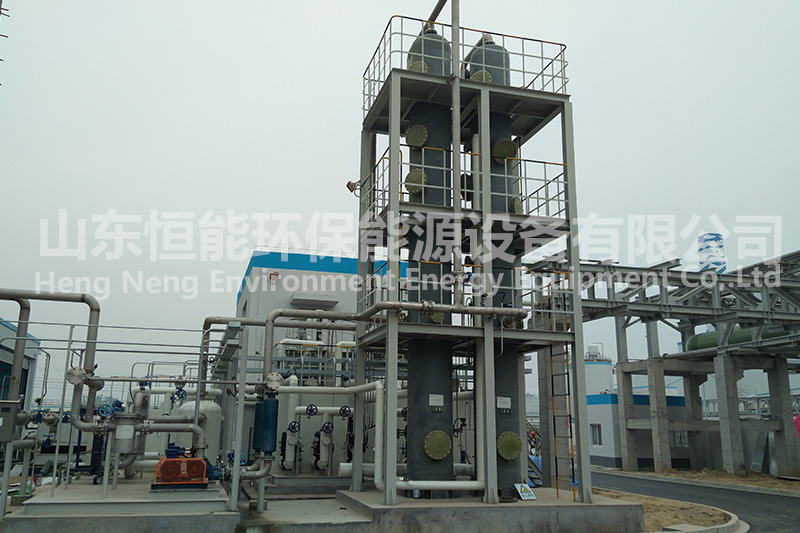
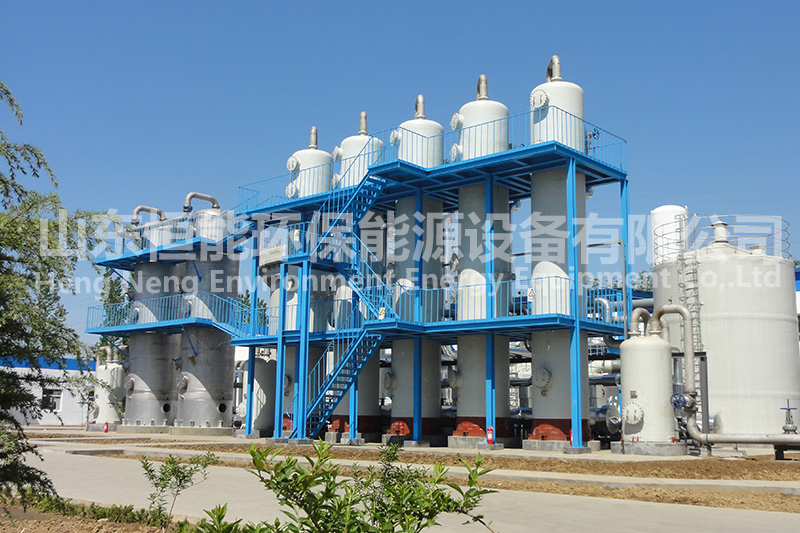
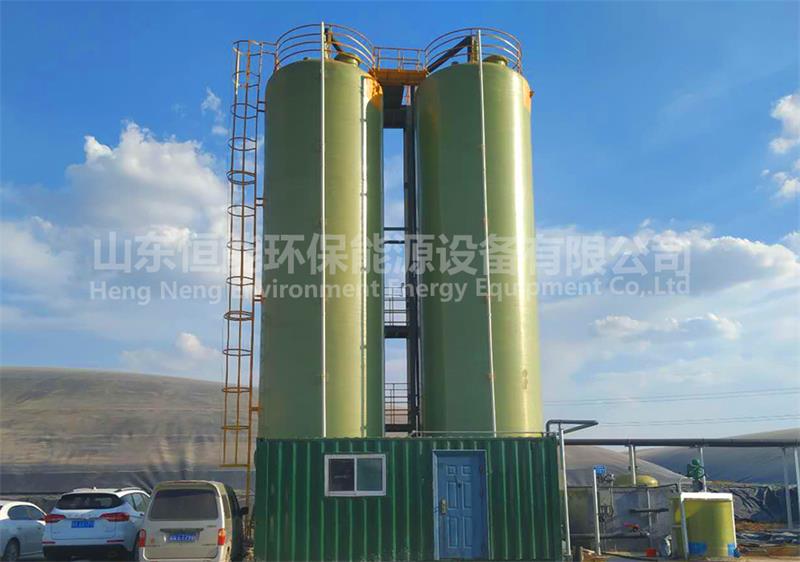
工艺流程描述:沼气进入吸收反应器底端,并从底端穿过填料层到达顶部。空气通过变频控制添加。尾气成分分析仪对余氧浓度监控并与空气风机连锁。营养液通过计量泵定时添加。液位开关控制整体的液位平衡。为了脱硫细菌的活性,采用热交换器和温度监测对系统的温度调节控制。PH仪用于控制营养液的质量(酸碱度),例如当PH低于设定值时,新鲜的营养液和稀释用水自动加入脱硫塔中,在此同时,废液自动排出,并保持液位平衡。有研究和工程运行表明,在酸法生物脱硫稳定运行阶段,营养液的温度宜控制在30-35℃,pH值宜控制在1.45 – 1.55,空气供应需要根据现场产气情况来设置,宜按实际产气量的1/9-1/10供入空气,采用变频器来实现风机变频供氧,根据实际产气量设置变频器参数。
Process description: Biogas enters the bottom of the absorption reactor and passes through the packing layer from the bottom to the top. Air is added through variable frequency control. The exhaust gas composition analyzer monitors the residual oxygen concentration and is interlocked with the air fan. Nutrients are added at regular intervals through a metering pump. The liquid level switch controls the overall liquid level balance. In order to enhance the activity of desulfurization bacteria, a heat exchanger and temperature monitoring are used to regulate and control the temperature of the system. PH meter is used to control the quality (acidity and alkalinity) of nutrient solution. For example, when the pH is lower than the set value, fresh nutrient solution and dilution water are automatically added to the desulfurization tower. At the same time, the waste liquid is automatically discharged and the liquid level is maintained in equilibrium. Research and engineering operations have shown that during the stable operation stage of acid based biological desulfurization, the temperature of the nutrient solution should be controlled at 30-35 ℃, the pH value should be controlled at 1.45-1.55, and the air supply should be set according to the on-site gas production situation. It is recommended to supply air at 1/9-1/10 of the actual gas production rate, and use a frequency converter to achieve variable frequency oxygen supply for the fan. The parameters of the frequency converter should be set according to the actual gas production rate.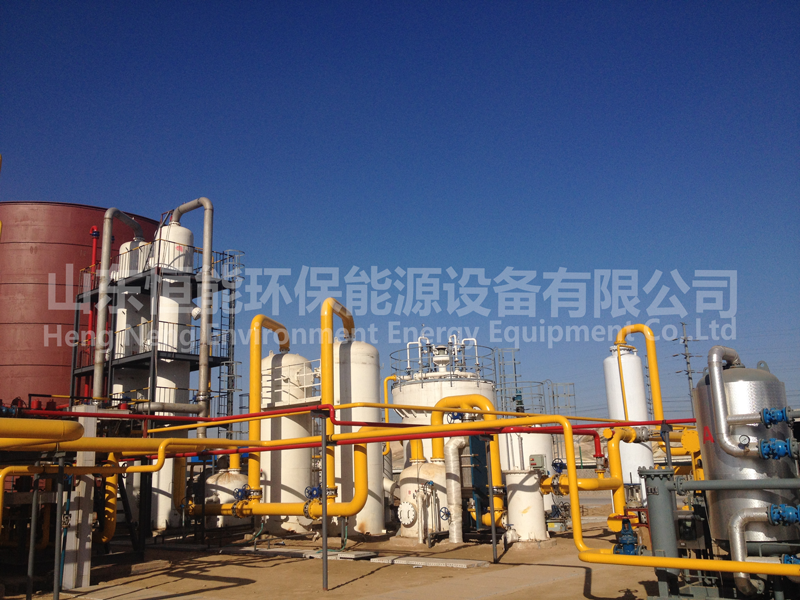
(2)碱法生物脱硫碱法生物脱硫是指采用排硫硫杆菌作为脱硫细菌进行生物脱硫的方法。生物反应中的环境呈中性或碱性。生物反应器中溶液呈碱性,氧化产物主要是单质S,对H2S?的吸收效率高,与酸法相比,碱法停留时间较短,吸收塔体积较小。碱法生物脱硫反应方程式如下:
(2) Alkali based biological desulfurization refers to the method of using sulfur releasing bacteria as desulfurization bacteria for biological desulfurization. The environment in biological reactions is neutral or alkaline. The solution in the bioreactor is alkaline, and the oxidation product is mainly elemental S. Does it affect H2S? The absorption efficiency is high, and compared with the acid method, the alkaline method has a shorter residence time and a smaller absorption tower volume. The reaction equation for alkaline biological desulfurization is as follows:
常见的碱法生物脱硫工艺流程如下:
The common alkaline biological desulfurization process is as follows:
工艺流程描述:
Process description:
①洗涤吸收:
① Washing and absorption:
沼气经增压风机输送至洗涤塔,与自上而下的洗涤液逆流接触,过程中H2S?被液相吸收,其余气体从洗涤塔顶排出进入后续单元,完成沼气吸收、脱除过程。生物反应器洗涤液通过循环泵喷淋至洗涤塔进行H2S?吸收,洗涤塔吸收H2S?后的洗涤液也通过洗涤塔与生物反应器构成的连通器回流至生物反应器,达到洗涤液的循环。
Biogas is transported to the washing tower by a booster fan and comes into countercurrent contact with the washing solution from top to bottom. During the process, H2S? Absorbed by the liquid phase, the remaining gas is discharged from the top of the washing tower into the subsequent unit, completing the process of biogas absorption and removal. The washing solution of the bioreactor is sprayed into the washing tower through a circulating pump for H2S treatment? Absorption, does the washing tower absorb H2S? The subsequent washing solution also flows back to the bioreactor through the connecting vessel between the washing tower and the bioreactor, achieving the circulation of the washing solution.
②生物转化
② Biotransformation
生物反应器内溶液依靠曝气实现全混和充氧,吸收H2S?后的洗涤液在硫杆菌的作用下可将硫化物转化为单质硫,实现硫的脱除。
Does the solution in the bioreactor rely on aeration to achieve full mixing and oxygenation, and absorb H2S? The washing solution can convert sulfides into elemental sulfur under the action of sulfur bacteria, achieving sulfur removal.
③硫分离
③ Sulfur separation
生物反应器内部分溶液流入硫沉淀器,硫产物在此单元沉淀后进入压滤系统,完成硫单质的非常终分离。液相回流至生物反应器。
Part of the solution in the bioreactor flows into the sulfur precipitator, and the sulfur product is precipitated in this unit and then enters the pressure filtration system to complete the final separation of elemental sulfur. Reflux the liquid phase to the bioreactor.
有研究和工程运行表明,在碱法生物脱硫稳定运行阶段,循环液的氧化还原电位(ORP)?值宜保持在-380 mV至-400?mV内,生物反应器内溶解氧(DO )浓度宜控制在1-2 mg/L,循环液的碱度宜保持在0.30 mol/L?左右,温度宜保持在30℃左右。
Research and engineering operations have shown that during the stable operation stage of alkaline biological desulfurization, what is the oxidation-reduction potential (ORP) of the circulating liquid? Should the value be maintained between -380 mV and -400 mV? Within mV, the dissolved oxygen (DO) concentration in the bioreactor should be controlled at 1-2 mg/L, and the alkalinity of the circulating liquid should be maintained at 0.30 mol/L? The temperature should be maintained at around 30 ℃.
在目前市场上规模化的沼气工程通常采用碱法生物脱硫,这主要是由于净化后的沼气用于提纯利用的较多。酸法生物脱硫中,进入吸收反应塔中的空气中的氮气,若后端采用膜提纯技术时很难被分离出来,造成提纯后的产品气中甲烷含量很难进一步提高。从技术的角度,若后端沼气用于热电联产(CHP)时,酸法和碱法生物脱硫都可以采用。
At present, large-scale biogas projects in the market usually use alkaline biological desulfurization, mainly because purified biogas is widely used for purification and utilization. In acid based biological desulfurization, the nitrogen in the air entering the absorption reaction tower is difficult to separate if membrane purification technology is used at the back end, resulting in difficulty in further increasing the methane content in the purified product gas. From a technical perspective, both acid and alkali based biological desulfurization methods can be used when using backend biogas for combined heat and power (CHP).
 企业二维码
企业二维码


 2026-02-23







 鲁公网安备37011202000764号号