欢迎进入山东恒能环保能源设备有限公司
欢迎进入山东恒能环保能源设备有限公司


热线电话
0531-69953988
如果说化学脱硫是利用“强力药剂”进行暴力去除,那么生物脱硫则是利用微生物的“巧劲”实现合理转化。作为一种环境友好型的新技术,生物脱硫正凭借其低运行成本和无二次污染的特性,引领着沼气净化领域的绿色革命。
If chemical desulfurization uses "strong agents" for violent removal, then biological desulfurization utilizes the "ingenuity" of microorganisms to achieve precise transformation. As an environmentally friendly new technology, biological desulfurization is leading the green revolution in the field of biogas purification with its low operating costs and no secondary pollution.
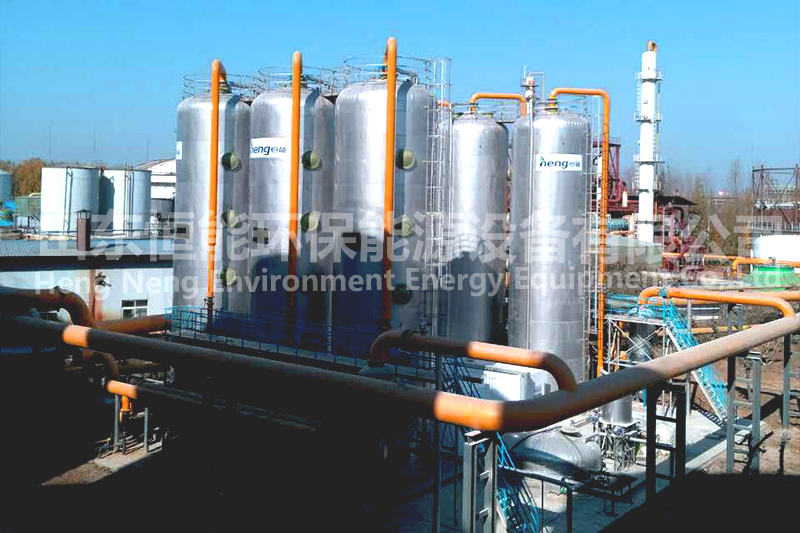
微观世界的“吃硫”机制生物脱硫的核心在于一类特殊的微生物——硫杆菌。在生物脱硫塔中,这些好氧或兼性厌氧的微生物附着在填料表面形成生物膜。当含有硫化氢的沼气与循环液接触时,硫化氢首先溶解于水中形成HS⁻离子,随后被生物膜吸附。
The core of the "sulfur eating" mechanism in the microscopic world of biological desulfurization lies in a special type of microorganism - sulfur bacteria. In the biological desulfurization tower, these aerobic or facultative anaerobic microorganisms attach to the surface of the packing material to form a biofilm. When biogas containing hydrogen sulfide comes into contact with circulating liquid, hydrogen sulfide first dissolves in water to form HS ⁻ ions, which are then adsorbed by biofilm.
在微生物体内,硫化氢被作为能源物质进行氧化代谢。通过准确控制反应器内的溶解氧含量,我们可以引导微生物将硫化氢转化为单质硫(S⁰)或硫酸根(SO₄²⁻)。理想状态下,我们控制反应停留在生成单质硫的阶段,这些淡黄色的硫磺粉末不仅无毒,还可以作为工业原料回收,真正实现了“变废为宝”。
In microbial bodies, hydrogen sulfide is used as an energy source for oxidative metabolism. By precisely controlling the dissolved oxygen content inside the reactor, we can guide microorganisms to convert hydrogen sulfide into elemental sulfur (S ⁰) or sulfate ions (SO ₄² ⁻). In an ideal state, we control the reaction to remain in the stage of generating elemental sulfur. These pale yellow sulfur powders are not only non-toxic, but can also be recycled as industrial raw materials, truly achieving the goal of "turning waste into treasure".
目前的生物脱硫工艺主要分为“一体式”和“分离式”。
The current biological desulfurization processes are mainly divided into "integrated" and "separated" types.
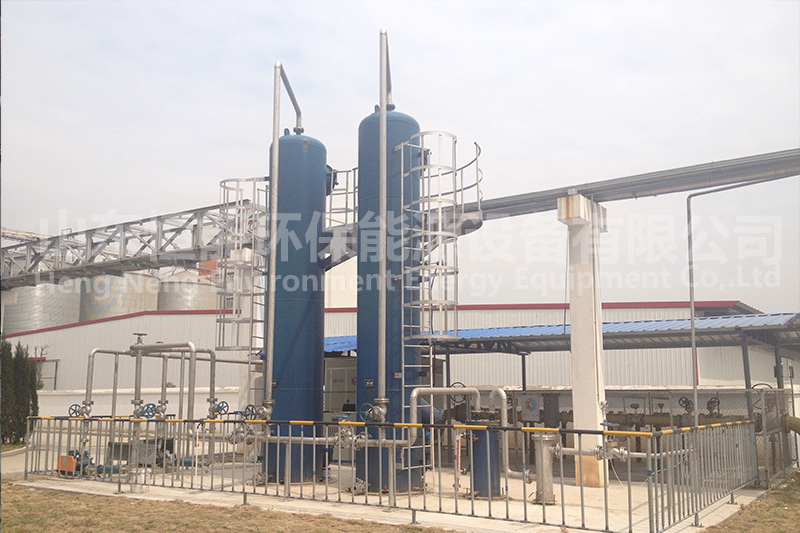
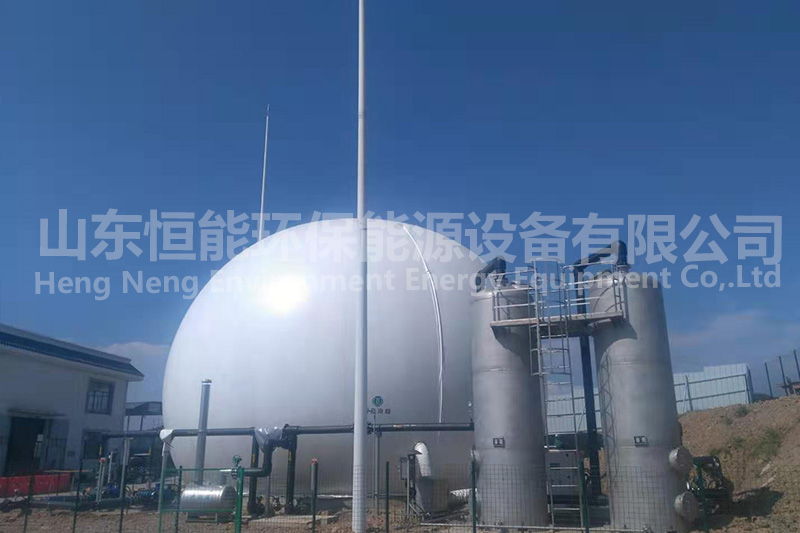
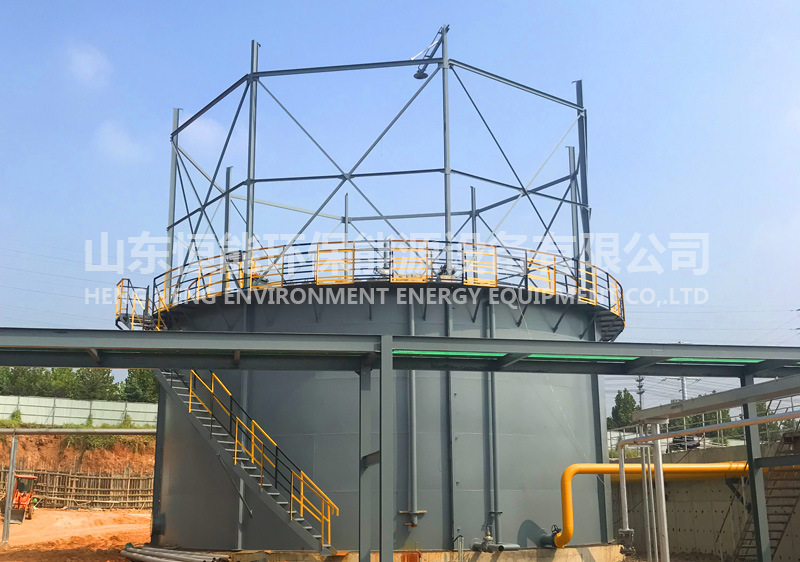
一体式工艺(In-situ)非常为巧妙,它直接向厌氧发酵罐或专门的生物洗涤塔中注入微量的空气(氧气)。利用沼气中原本存在的微生物或投加的菌种,在塔内直接完成脱硫。这种方法无需复杂的再生系统,设备投资出彩低,但需要严格控制注氧量,以防沼气中氧气含量超标引发安全隐患。
The in-situ process is the most ingenious, as it directly injects a small amount of air (oxygen) into anaerobic fermentation tanks or specialized biological washing towers. Utilize the existing microorganisms or added bacterial strains in biogas to directly achieve desulfurization inside the tower. This method does not require a complex regeneration system and has extremely low equipment investment, but it requires strict control of oxygen injection to prevent safety hazards caused by excessive oxygen content in biogas.
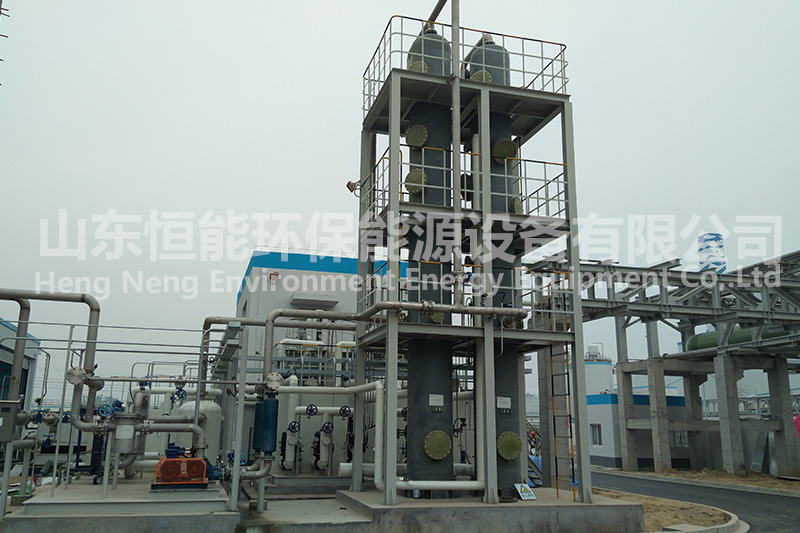
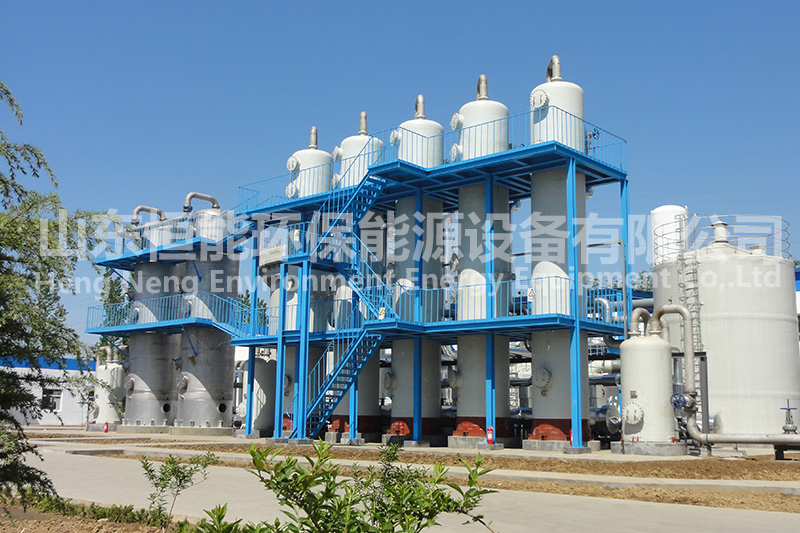
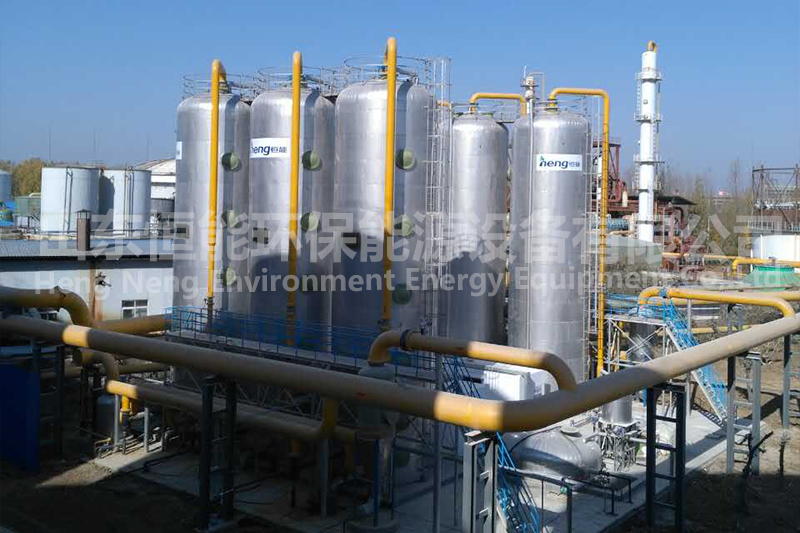
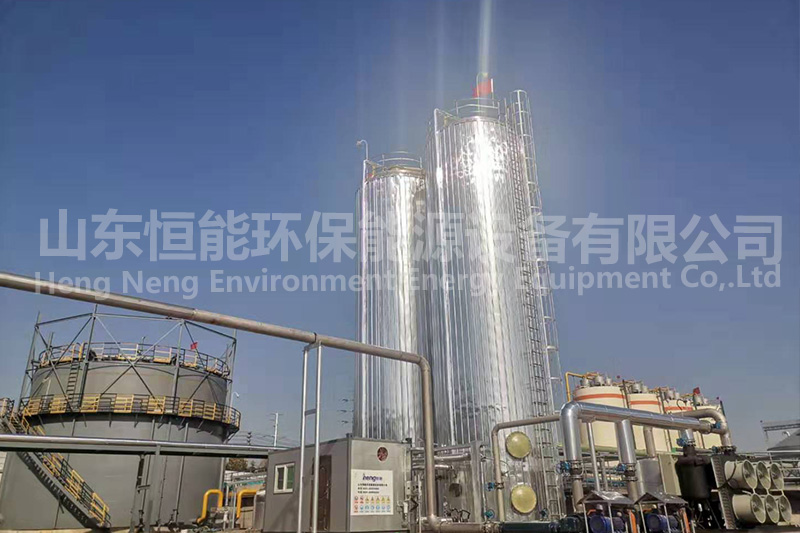
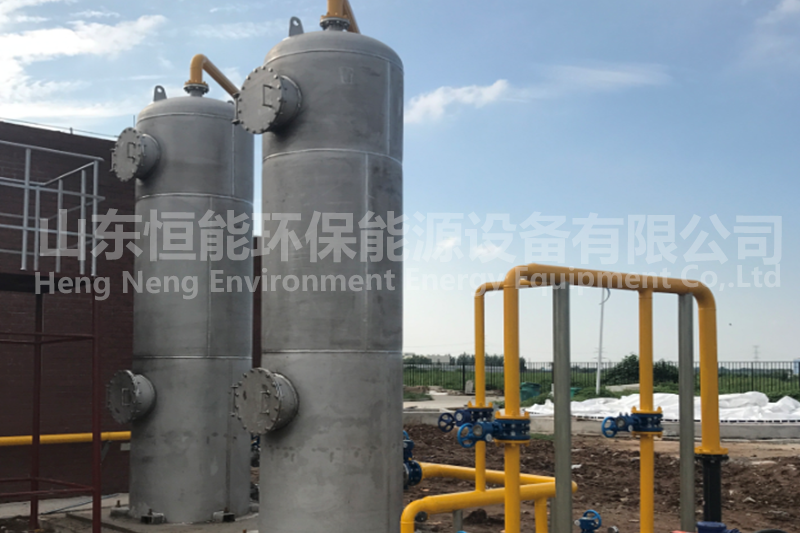
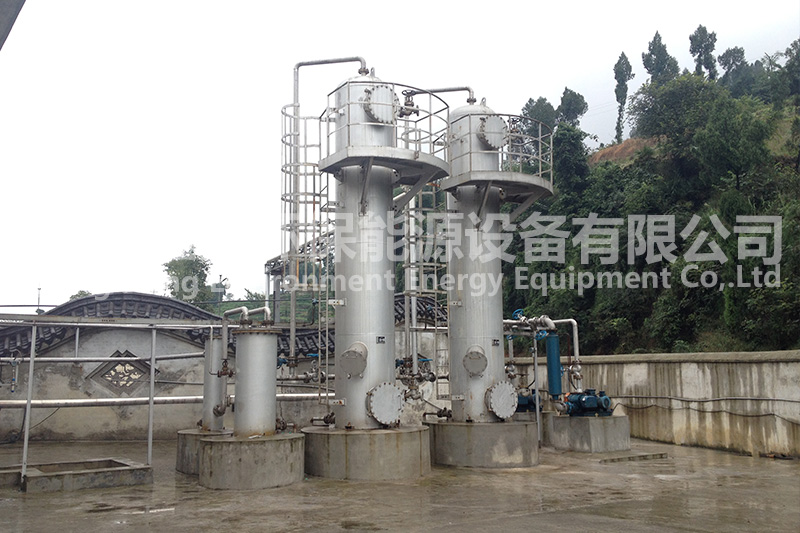
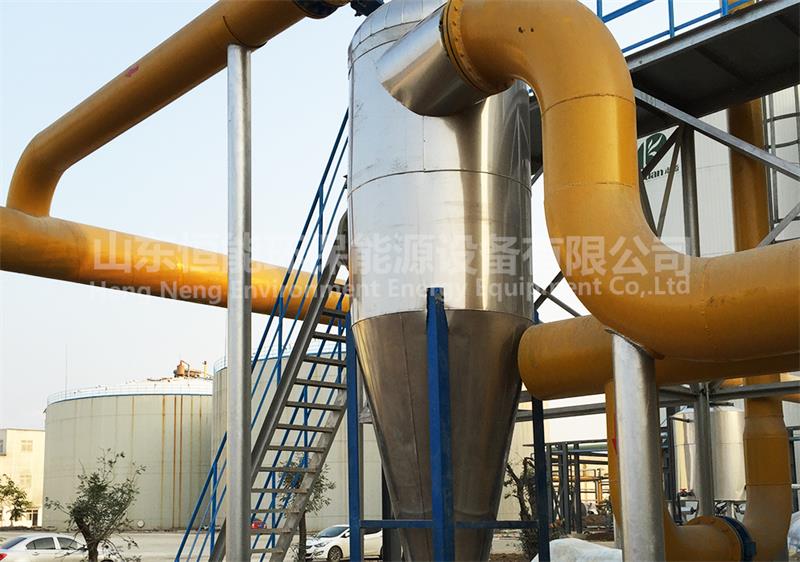
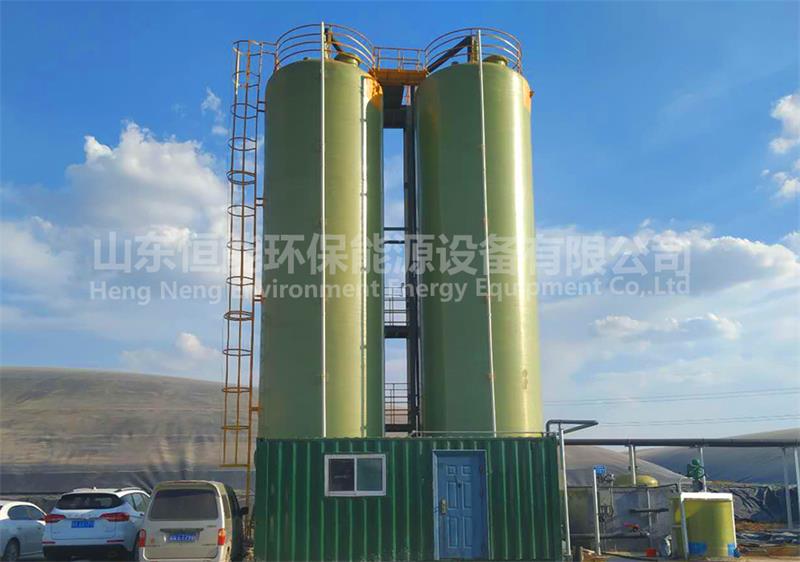
分离式工艺(Ex-situ)则将脱硫过程独立出来。沼气进入生物洗涤塔,硫化氢被碱液吸收后,富含硫氢根的液体进入再生塔,在那里与空气和微生物接触再生,释放出单质硫。虽然流程稍显复杂,但其安全性更高,脱硫效率更稳定,且能副产高纯度的生物硫磺。
The Ex situ process separates the desulfurization process independently. Biogas enters the biological washing tower, and hydrogen sulfide is absorbed by alkaline solution. The liquid rich in sulfur hydrogen ions enters the regeneration tower, where it comes into contact with air and microorganisms for regeneration, releasing elemental sulfur. Although the process is slightly more complex, it has higher safety, more stable desulfurization efficiency, and can produce high-purity biological sulfur as a byproduct.
 企业二维码
企业二维码


 2026-05-11







 鲁公网安备37011202000764号号