欢迎进入山东恒能环保能源设备有限公司
欢迎进入山东恒能环保能源设备有限公司


热线电话
0531-69953988
沼气提纯是一项复杂的系统工程,其非常终目标是将甲烷(CH)浓度提升至95%甚至97%以上,使其达到天然气管网注入或车用燃气标准。为了实现这一目标,构建一条科学、协同的工艺链,涵盖脱硫、脱氧、脱水、脱碳及脱氮等多个关键环节。
Biogas purification is a complex system engineering, with the ultimate goal of increasing methane (CH) concentration to over 95% or even 97%, to meet the standards for natural gas pipeline injection or vehicle gas. To achieve this goal, it is necessary to build a scientific and collaborative process chain that covers multiple key links such as desulfurization, deoxygenation, dehydration, decarbonization, and denitrification.
核心脱碳技术与工艺选择
Core decarbonization technology and process selection
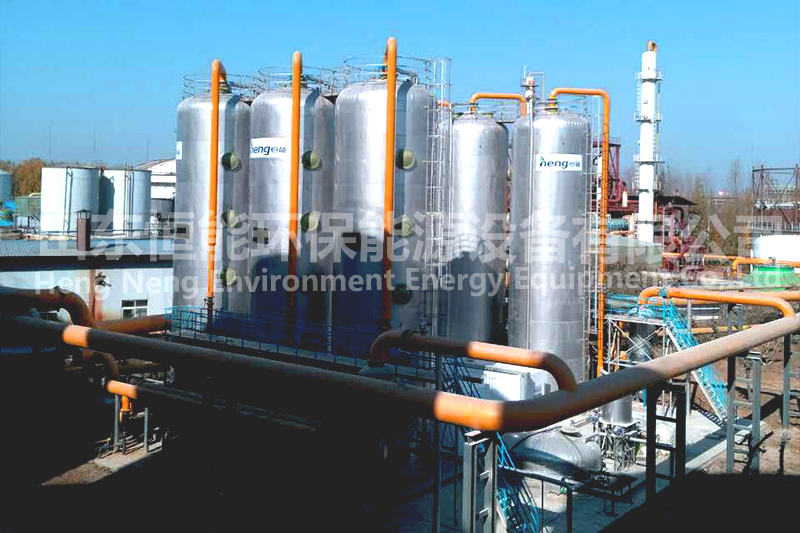
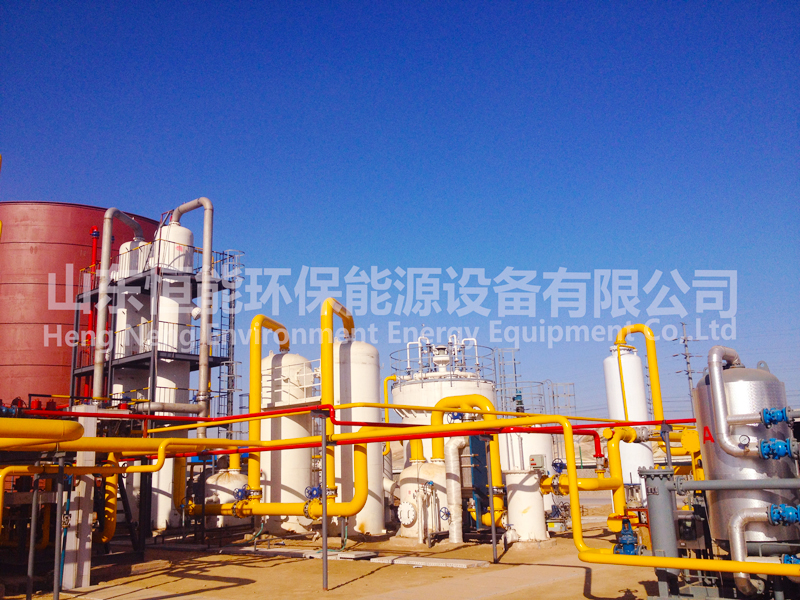
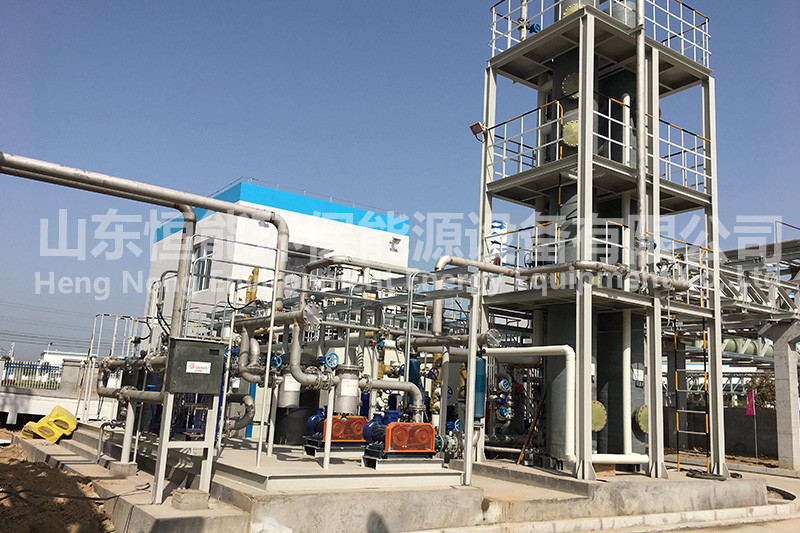
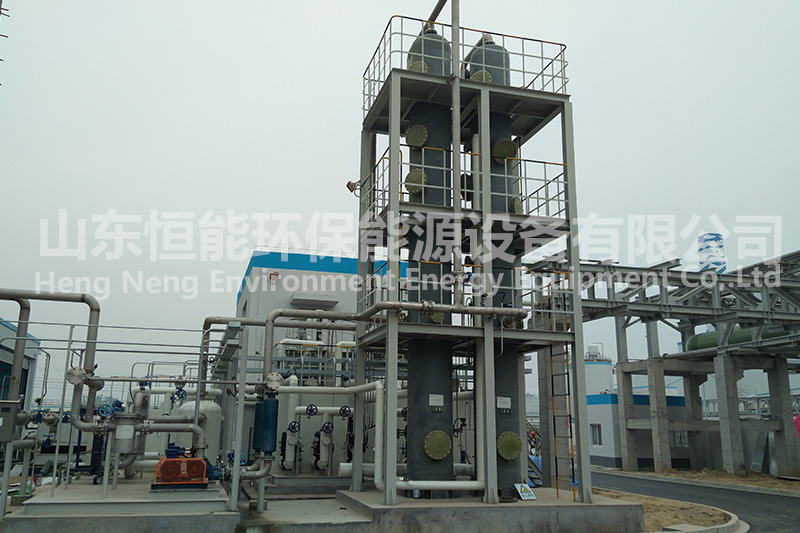
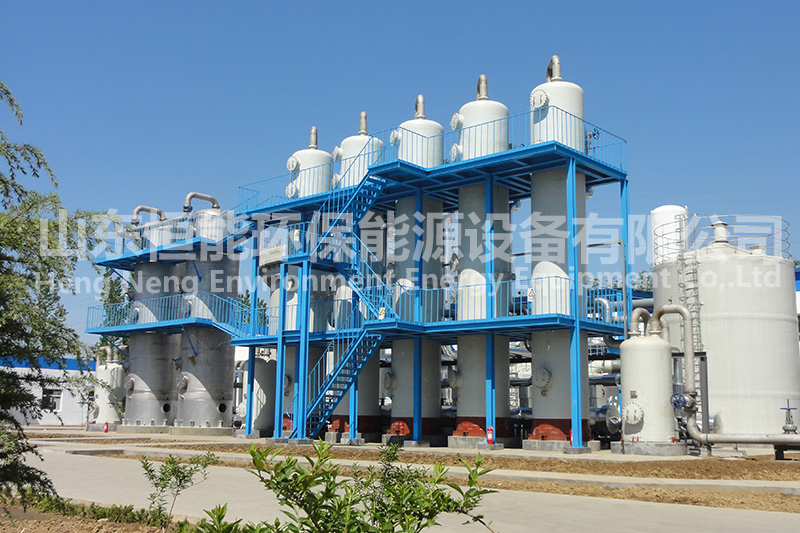
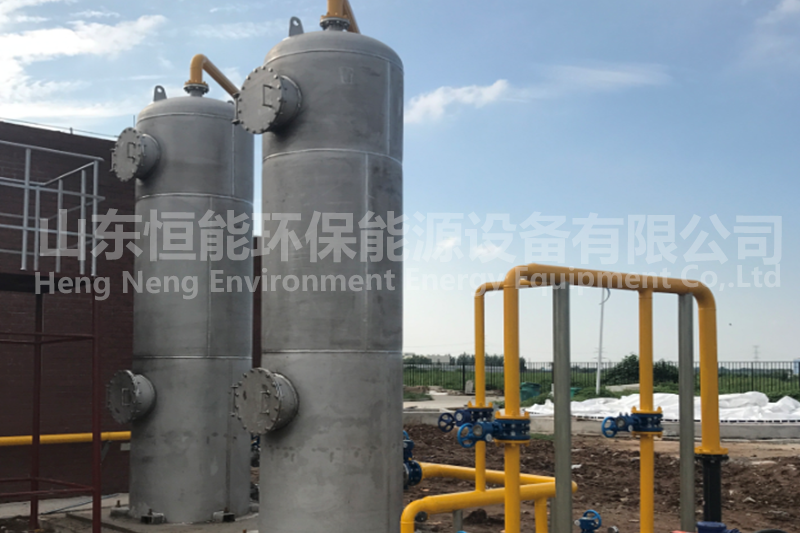
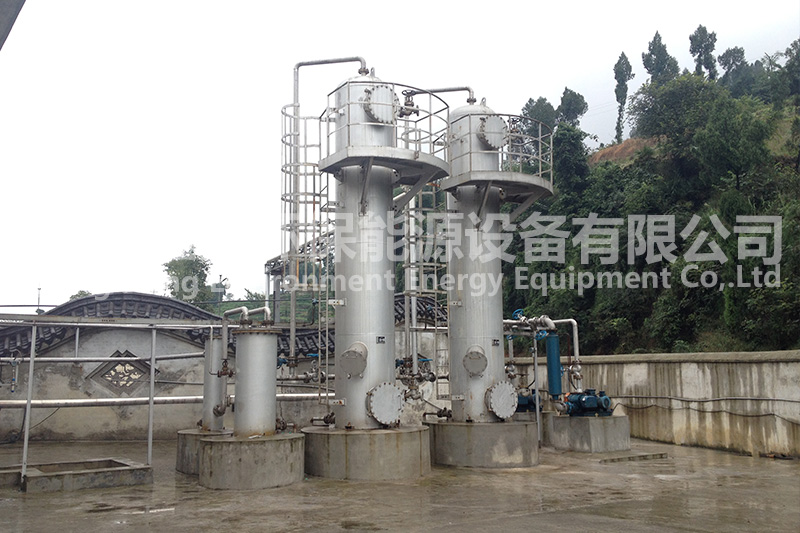
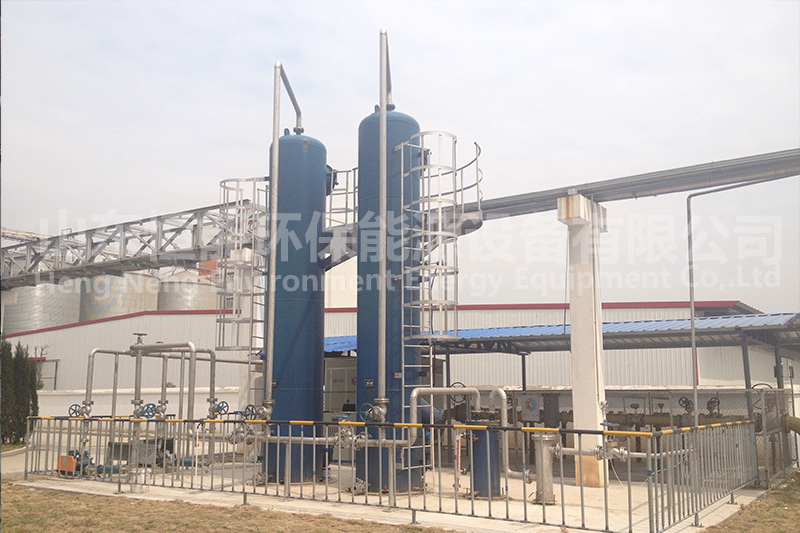
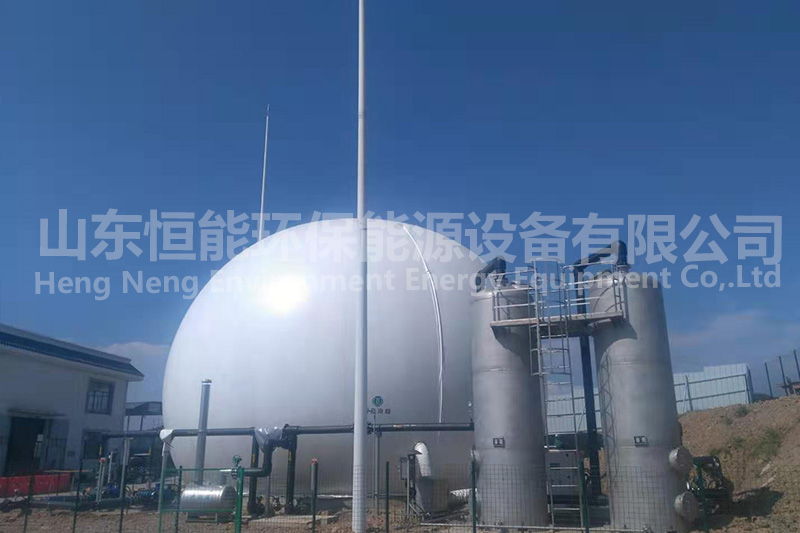
脱除二氧化碳(CO)是沼气提纯的核心环节。目前主流的技术路线包括变压吸附(PSA)和膜分离法。变压吸附利用活性炭或沸石分子筛对CO的强吸附能力,在加压时捕获杂质,降压时解吸再生,该技术提纯效率高,但对进料气的预处理要求出彩为苛刻。膜分离技术则依靠不同气体在膜材料中溶解和扩散速率的差异实现分离,具有启停快、能耗低的优势,但需通过多级膜设计来减少甲烷损失。此外,压力水洗技术利用CO在水中溶解度远高于甲烷的物理特性,通过二段式吸收塔强化水洗过程,不仅环保廉价,还能稳定达到97%的提纯效果。
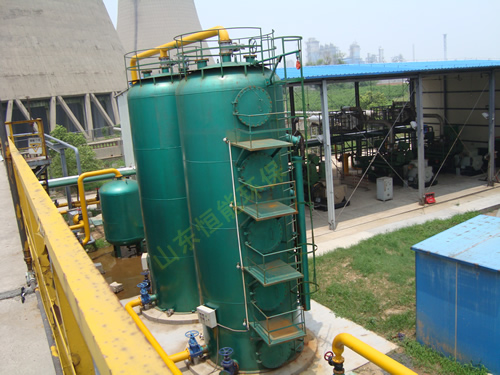
Removing carbon dioxide (CO) is the core process of biogas purification. The current mainstream technological routes include pressure swing adsorption (PSA) and membrane separation methods. Pressure swing adsorption utilizes the strong adsorption capacity of activated carbon or zeolite molecular sieves for CO, capturing impurities under pressure and desorbing and regenerating under pressure. This technology has high purification efficiency, but requires extremely strict pre-treatment of the feed gas. Membrane separation technology relies on the difference in dissolution and diffusion rates of different gases in membrane materials to achieve separation, which has the advantages of fast start stop and low energy consumption, but requires multi-stage membrane design to reduce methane loss. In addition, the pressure water washing technology utilizes the physical property that CO has a much higher solubility in water than methane. By strengthening the water washing process through a two-stage absorption tower, it is not only environmentally friendly and inexpensive, but also achieves a stable purification effect of 97%.
前置净化与全局协同优化
Pre purification and global collaborative optimization
提纯工艺的成功与否,很大程度上取决于前置预处理环节的完善度。首先是脱硫环节,根据沼气规模与HS浓度选择生物脱硫、干法或湿法脱硫,以保护后续昂贵的吸附剂或膜组件免受毒害。其次是脱水与脱氧,冷凝法脱水非常为常用,而催化脱氧则能在200-500°C下将氧气降至出彩低水平,但需防范甲烷损耗。对于来自垃圾填埋场等含氮量高的沼气源,还需引入变压吸附脱氮工艺。
The success of the purification process largely depends on the completeness of the pre-treatment stage. Firstly, in the desulfurization process, biological desulfurization, dry or wet desulfurization must be selected based on the scale of biogas and HS concentration to protect expensive adsorbents or membrane components from toxicity. Next are dehydration and deoxygenation. Condensation dehydration is the most commonly used method, while catalytic deoxygenation can reduce oxygen to extremely low levels at 200-500 ° C, but it is necessary to prevent methane loss. For biogas sources with high nitrogen content such as landfills, it is necessary to introduce pressure swing adsorption denitrification technology.
构建非常优工艺链的策略
Strategies for Building the Optimal Process Chain
选择非常优的沼气提纯方案需要进行详细的技术经济比较。企业应首先进行原料气成分分析,明确产品规格;随后根据处理规模和投资预算确定核心脱碳技术;接着反向设计前置的脱硫、脱水方案以满足核心技术的需求;非常后进行全局优化,例如将脱硫置于脱水前以防管道腐蚀,或将压缩产生的热量用于再生工序。只有各环节紧密协同,才能在保证高纯度生物甲烷产出的同时,实现运行成本与经济效益的平衡。
Choosing the optimal biogas purification scheme requires a detailed technical and economic comparison. Enterprises should first conduct an analysis of the composition of raw gas and clarify product specifications; Subsequently, the core decarbonization technology will be determined based on the processing scale and investment budget; Then reverse design the pre desulfurization and dehydration scheme to meet the requirements of the core technology; Finally, perform global optimization, such as placing desulfurization before dehydration to prevent pipeline corrosion, or using the heat generated by compression for the regeneration process. Only by closely coordinating all aspects can we achieve a balance between operating costs and economic benefits while ensuring the production of high-purity biogas.
 企业二维码
企业二维码


 2026-06-12







 鲁公网安备37011202000764号号