欢迎进入山东恒能环保能源设备有限公司
欢迎进入山东恒能环保能源设备有限公司


热线电话
0531-69953988
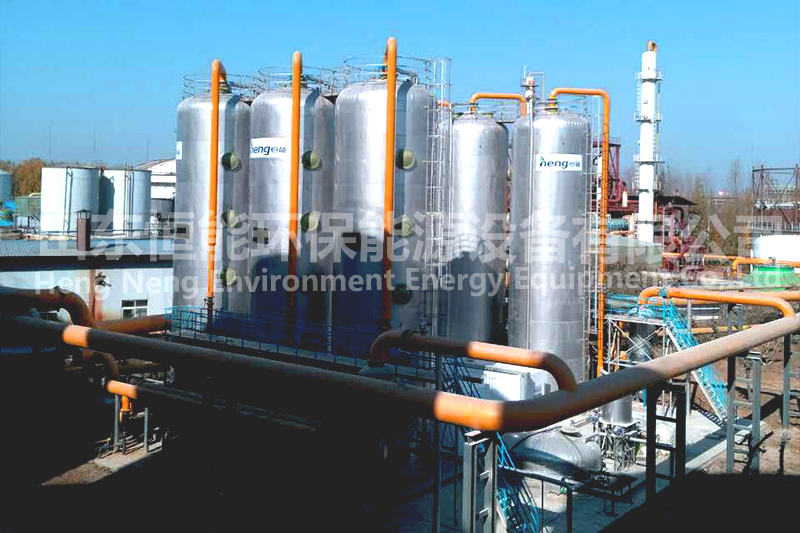
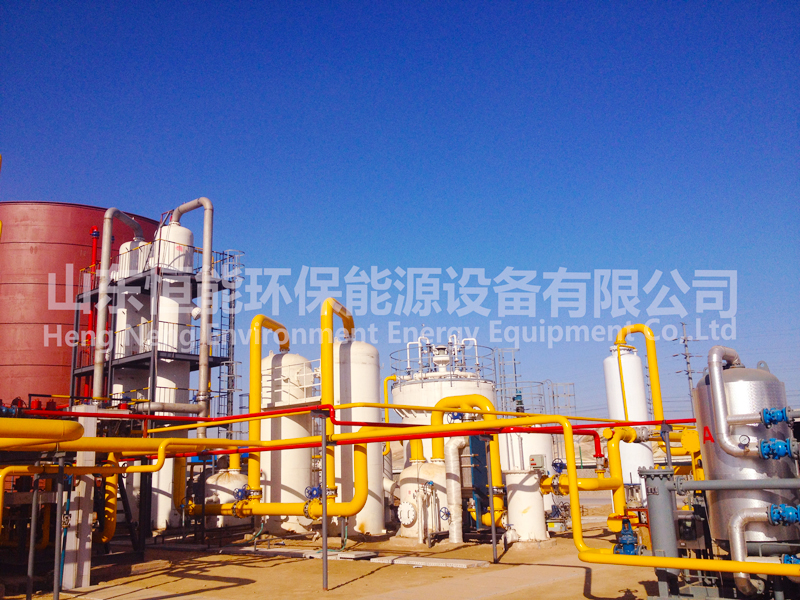
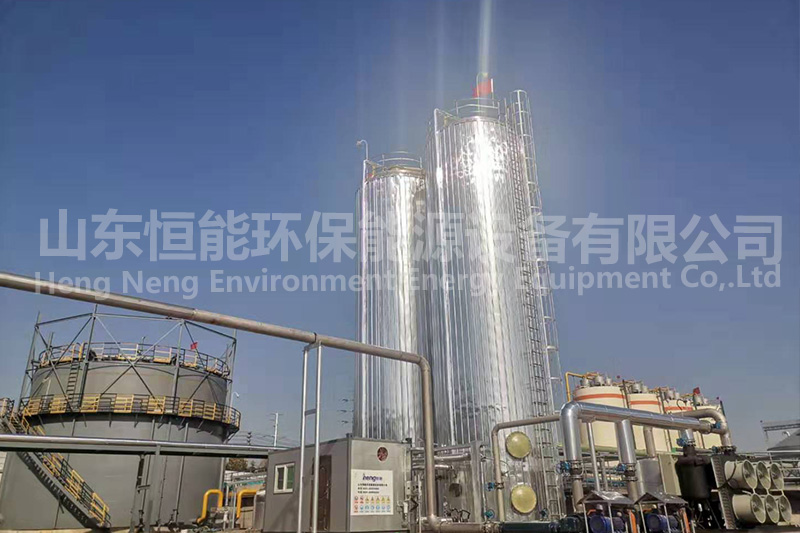
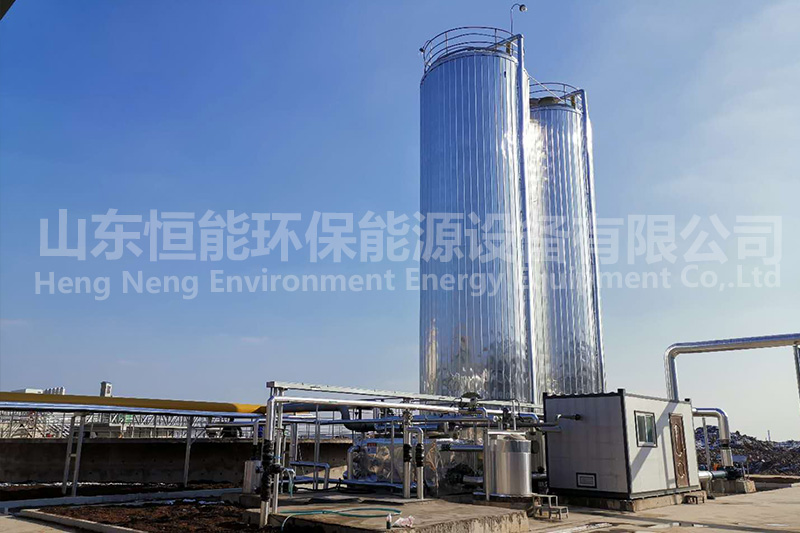
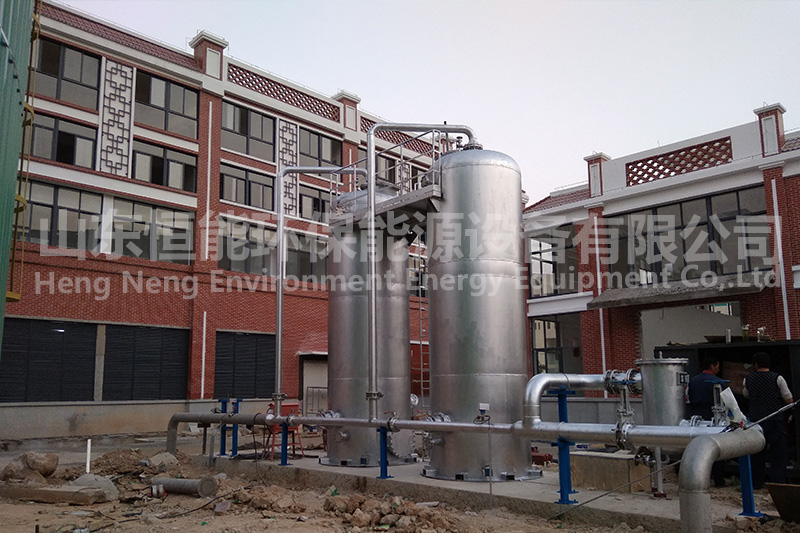
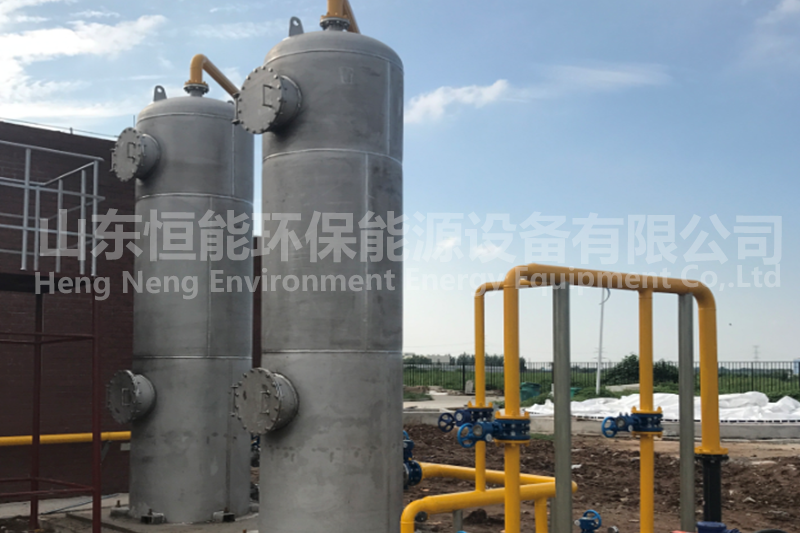
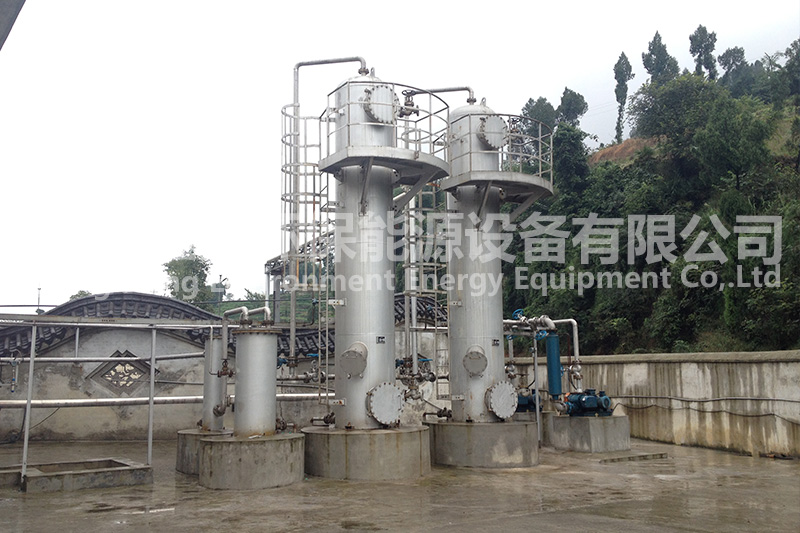
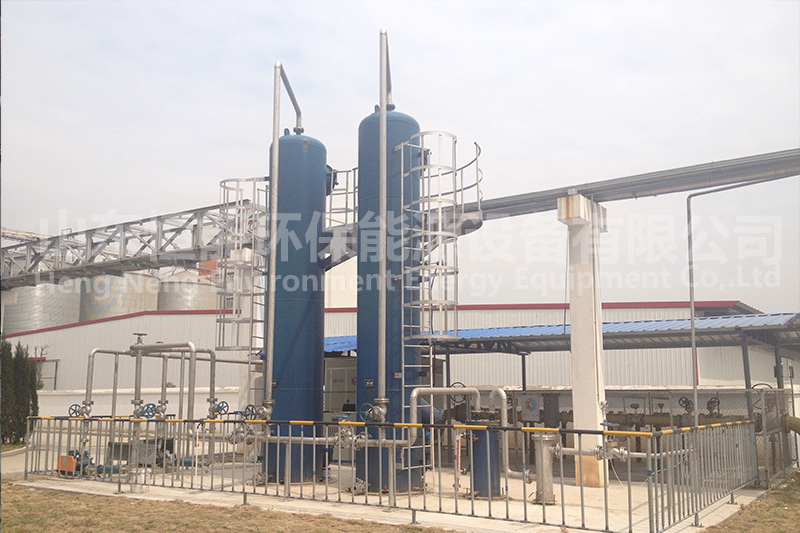
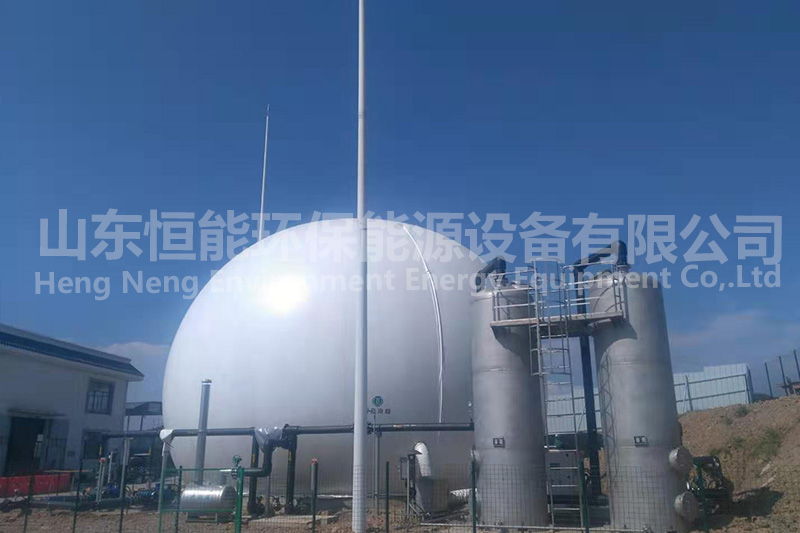
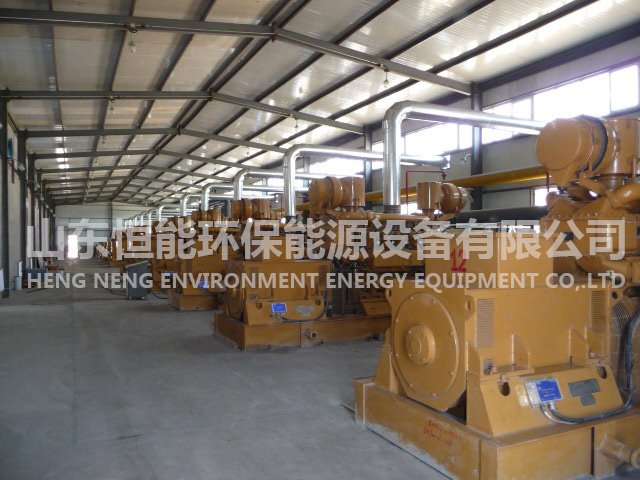
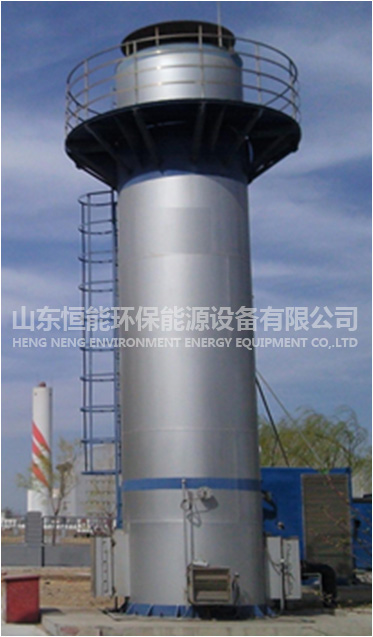
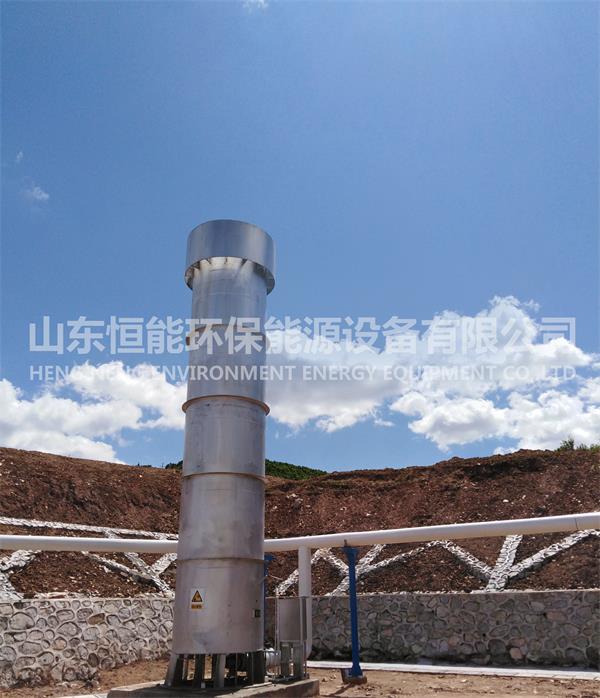
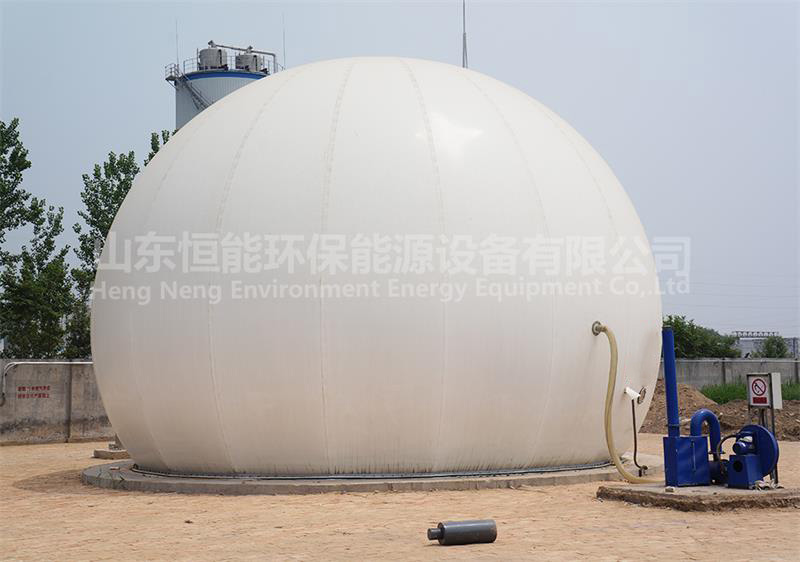
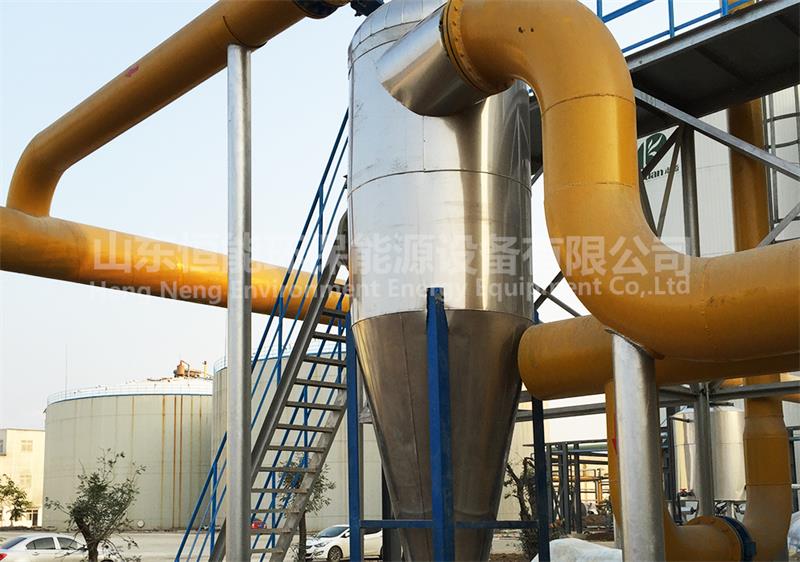
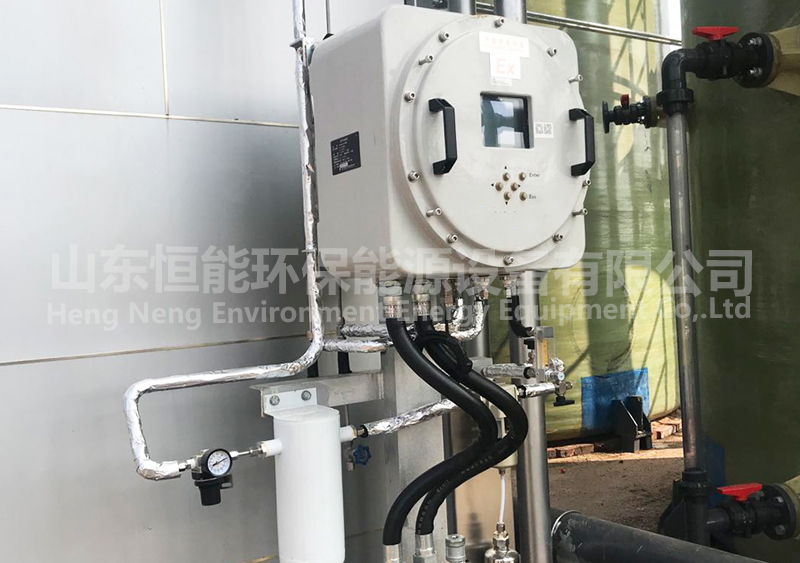
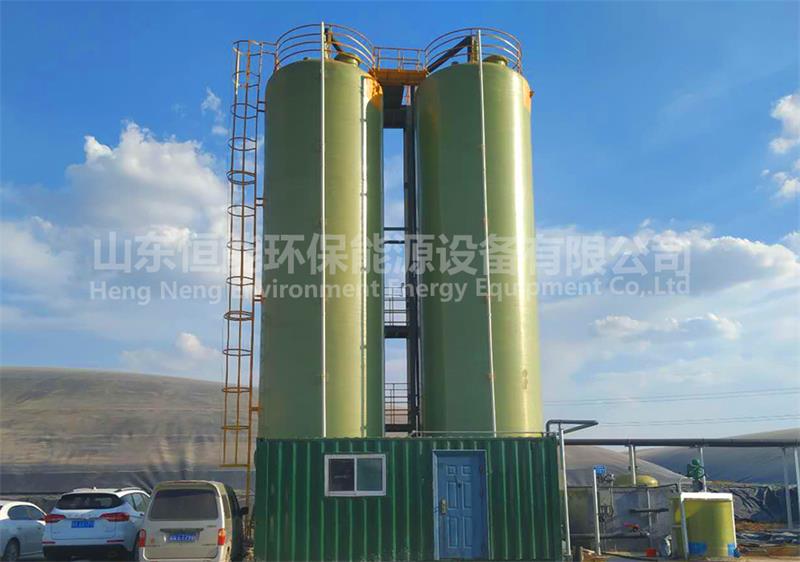
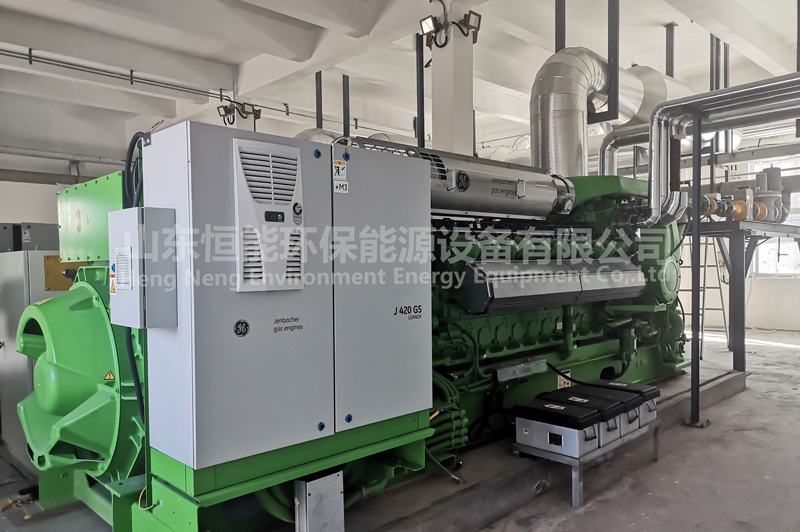
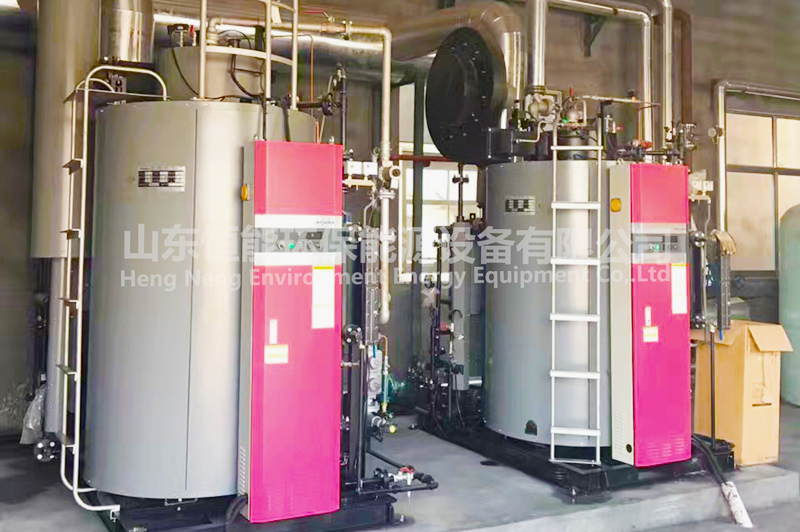
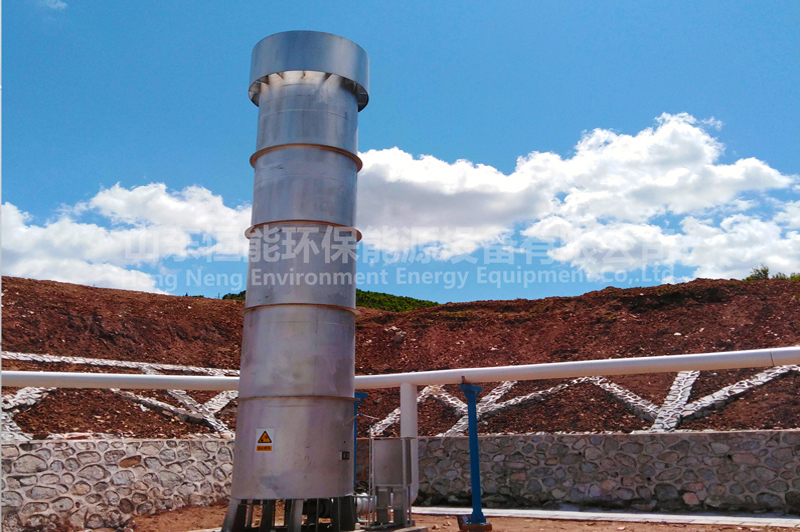
在沼气工程的运行中,硫化氢(H?S)的去除是至关重要的一环。H?S不仅具有剧毒和恶臭,更会对后续的发电机组、锅炉及管道造成严重的腐蚀,燃烧后产生的二氧化硫还会污染环境。在众多的脱硫工艺中,生物脱硫技术凭借其环保、、低耗的特点,正逐渐成为行业的主流选择,被誉为沼气净化的“绿色引擎”。
The removal of hydrogen sulfide (H2S) is a crucial step in the operation of biogas projects. H? S not only has high toxicity and foul odor, but also causes serious corrosion to subsequent generator sets, boilers, and pipelines. The sulfur dioxide produced after combustion also pollutes the environment. Among numerous desulfurization processes, biological desulfurization technology is gradually becoming the mainstream choice in the industry due to its environmental protection, high efficiency, and low consumption characteristics, and is known as the "green engine" for biogas purification.

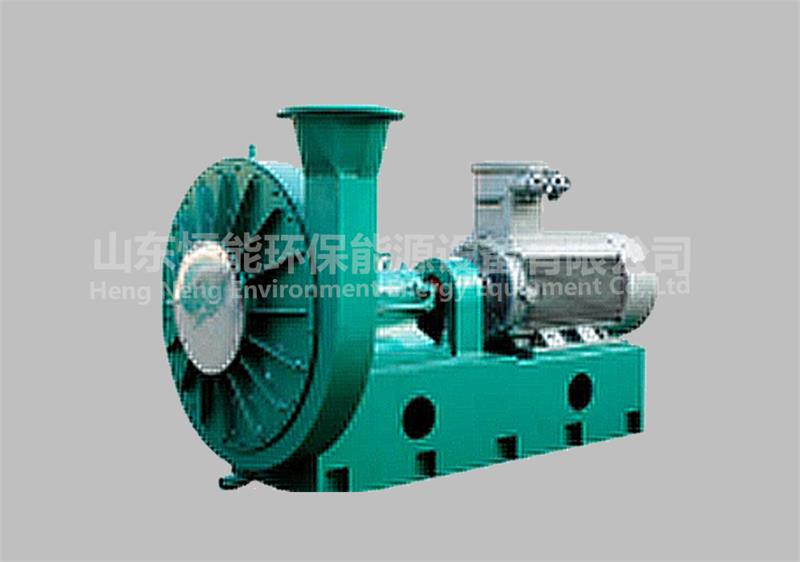
生物脱硫的核心原理是利用特定的微生物——主要是硫杆菌属(Thiobacillus)等化能自养菌的新陈代谢作用。这些微生物以硫化物为食,在有氧的环境下,将沼气中的硫化氢转化为单质硫或硫酸盐。与传统的干法(氧化铁)或湿法(化学溶剂)脱硫相比,生物脱硫不需要消耗昂贵的化学药剂,其运行成本主要来自于维持微生物生长所需的少量营养盐和空气鼓风机的电耗。
The core principle of biological desulfurization is to utilize the metabolic processes of specific microorganisms, mainly chemoautotrophic bacteria such as Thiobacillus. These microorganisms feed on sulfides and convert hydrogen sulfide in biogas into elemental sulfur or sulfate in an aerobic environment. Compared with traditional dry (iron oxide) or wet (chemical solvent) desulfurization, biological desulfurization does not require expensive chemical agents, and its operating costs mainly come from the small amount of nutrients required to maintain microbial growth and the power consumption of air blowers.
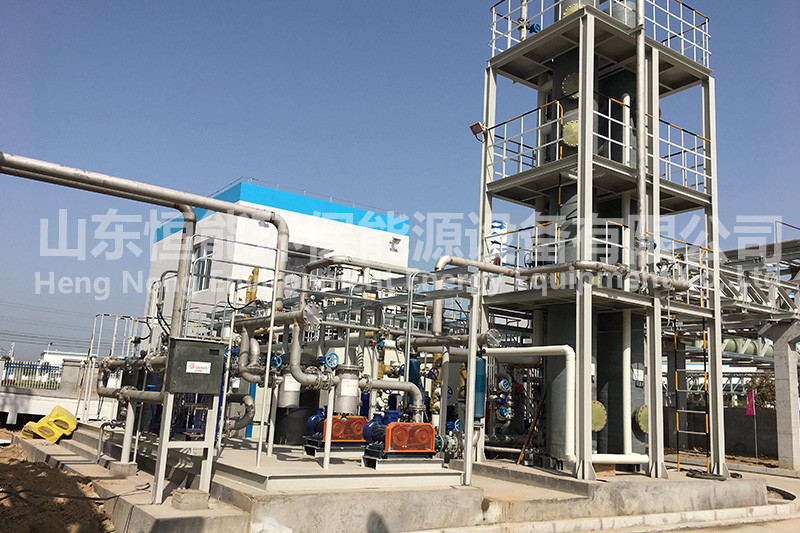
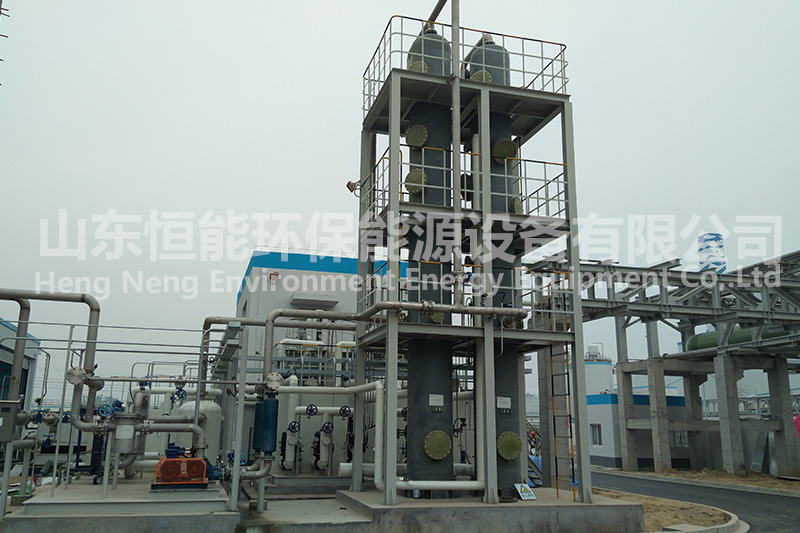
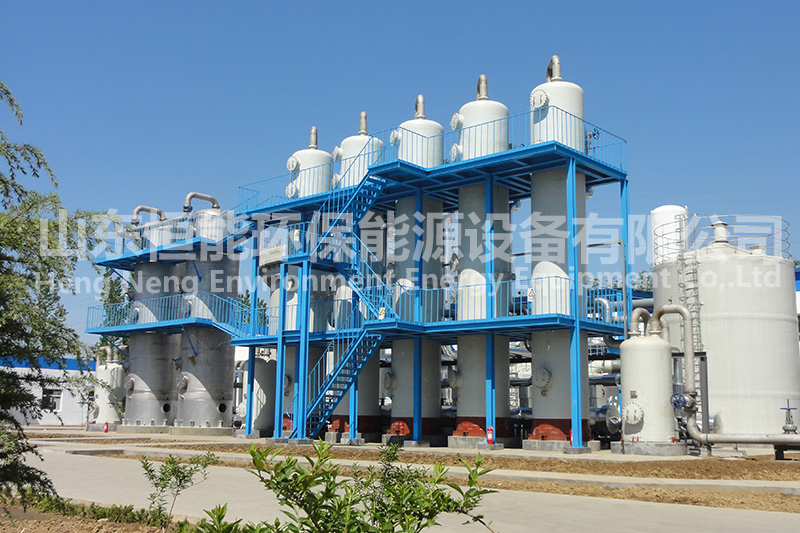
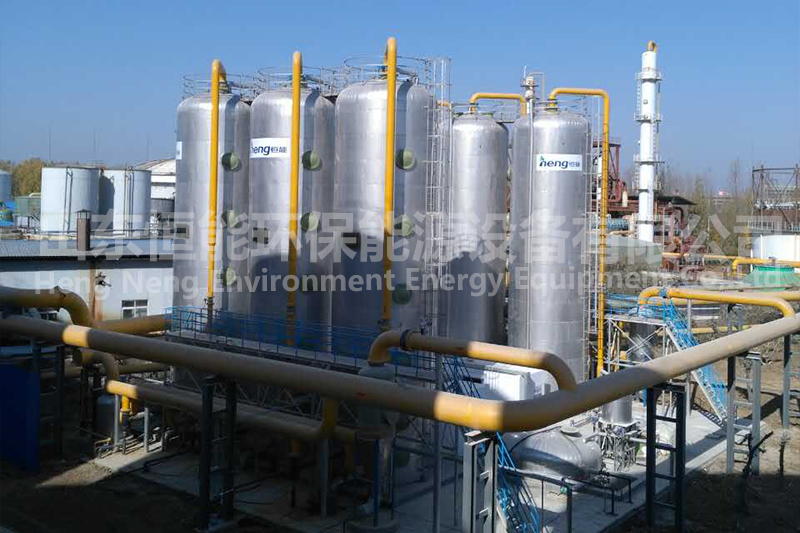
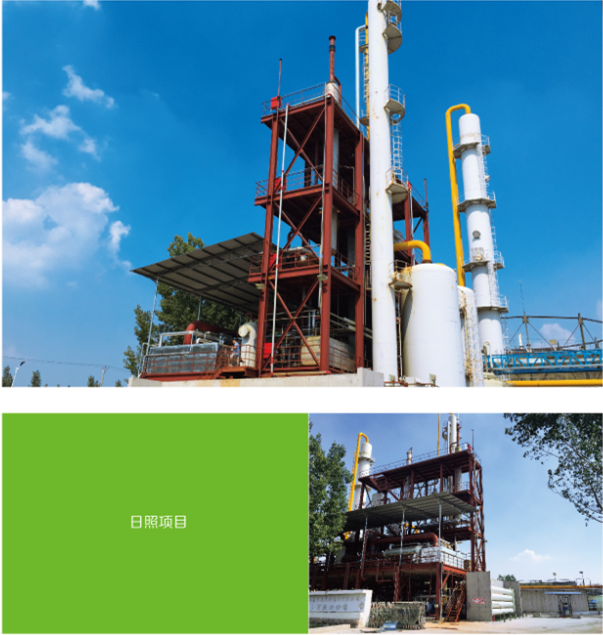
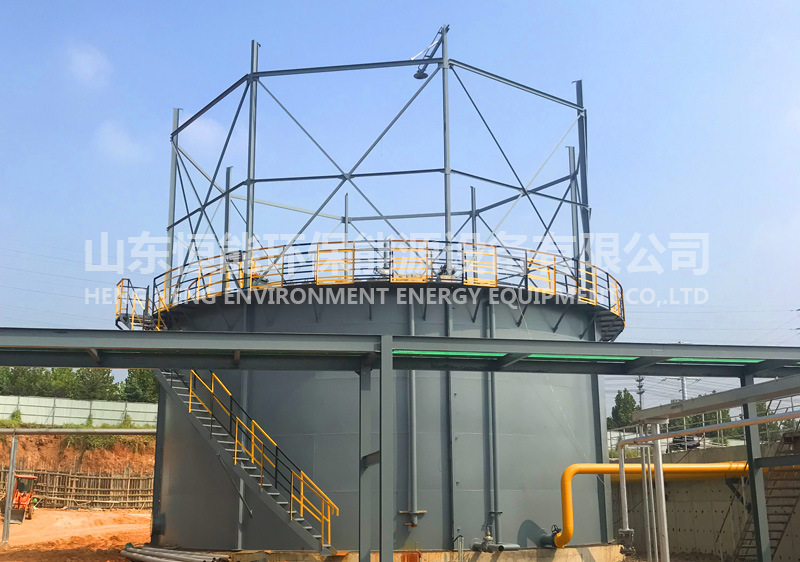
目前的生物脱硫工艺主要分为“一体式”和“分离式”两种。一体式工艺是将少量空气直接注入沼气中,在生物洗涤塔内完成吸收与转化,适合硫化氢浓度较低的场合,设备简单,投资较低。而分离式工艺则将吸收与再生过程分开,沼气在洗涤塔内与碱液接触脱除H?S,富液再进入生物反应器进行再生。这种方式虽然流程稍长,但安全性更高,避免了沼气与空气直接接触的风险,且能处理高浓度的硫化氢负荷,脱硫效率可达99%以上。
The current biological desulfurization processes are mainly divided into two types: "integrated" and "separated". The integrated process is to directly inject a small amount of air into biogas, and complete absorption and conversion in a biological washing tower. It is suitable for situations with low hydrogen sulfide concentration, with simple equipment and low investment. The separation process separates the absorption and regeneration processes, with biogas coming into contact with alkaline solution in the washing tower to remove H2S, and the rich solution entering the bioreactor for regeneration. Although this method has a slightly longer process, it is safer and avoids the risk of direct contact between biogas and air. It can also handle high concentrations of hydrogen sulfide loads and has a desulfurization efficiency of over 99%.
生物脱硫的另一大优势在于副产物的处理。反应生成的单质硫呈亲水性,可以通过沉淀、离心等物理方式从系统中分离出来,形成硫饼。这些硫饼是一种的农业肥料原料或杀菌剂成分,实现了资源的回收利用,真正做到了“变废为宝”。随着环保标准的日益严格和碳减排压力的增加,这种低能耗、无二次污染的生物技术,无疑将是未来沼气工程脱硫的方案。
Another major advantage of biological desulfurization is the treatment of by-products. The elemental sulfur generated by the reaction is hydrophilic and can be separated from the system through physical methods such as precipitation and centrifugation to form a sulfur cake. These sulfur cakes are a high-quality agricultural fertilizer raw material or fungicide ingredient, achieving resource recycling and truly turning waste into treasure. With the increasingly strict environmental standards and the increasing pressure of carbon reduction, this low-energy and non secondary pollution biotechnology will undoubtedly be the preferred solution for desulfurization in biogas engineering in the future.
本文由生物脱硫友情奉献.更多有关的知识请点击:https://www.hneee.net真诚的态度.为您提供为的服务.更多有关的知识我们将会陆续向大家奉献.敬请期待.
This article is contributed by the friendship of biological desulfurization For more information, please click: https://www.hneee.net Sincere attitude To provide you with comprehensive services We will gradually contribute more relevant knowledge to everyone Coming soon.
 企业二维码
企业二维码


 2026-06-15







 鲁公网安备37011202000764号号