欢迎进入山东恒能环保能源设备有限公司
欢迎进入山东恒能环保能源设备有限公司


热线电话
0531-69953988
在沼气提纯的工业化应用中,如何、低耗地脱除二氧化碳和杂质是技术的关键。目前,市场上主流的提纯工艺主要包括变压吸附法、膜分离法、高压水洗法及化学吸收法等。其中,变压吸附与膜分离技术因其独特的优势,成为了当前行业关注的焦点,二者在不同应用场景下各展所长。
In the industrial application of biogas purification, the key technology is to efficiently and effectively remove carbon dioxide and impurities with low consumption. At present, the mainstream purification processes in the market mainly include pressure swing adsorption, membrane separation, high-pressure water washing, and chemical absorption. Among them, pressure swing adsorption and membrane separation technologies have become the focus of attention in the current industry due to their unique advantages, and both have shown their strengths in different application scenarios.
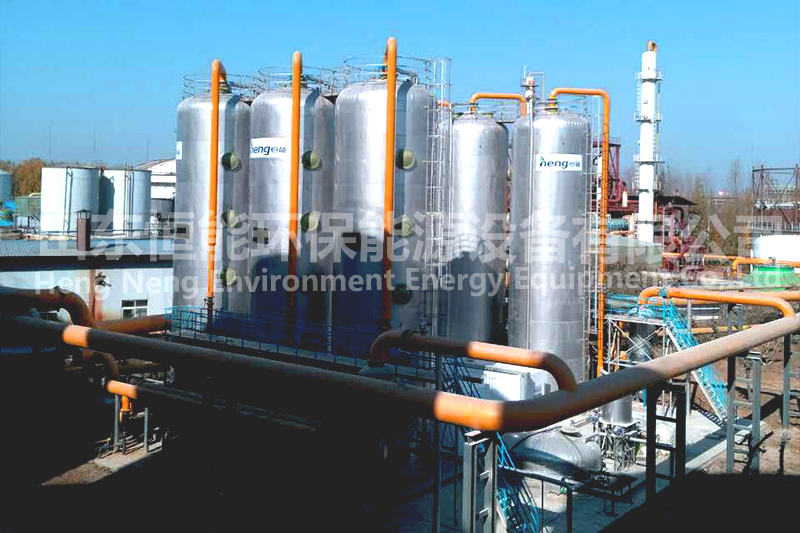
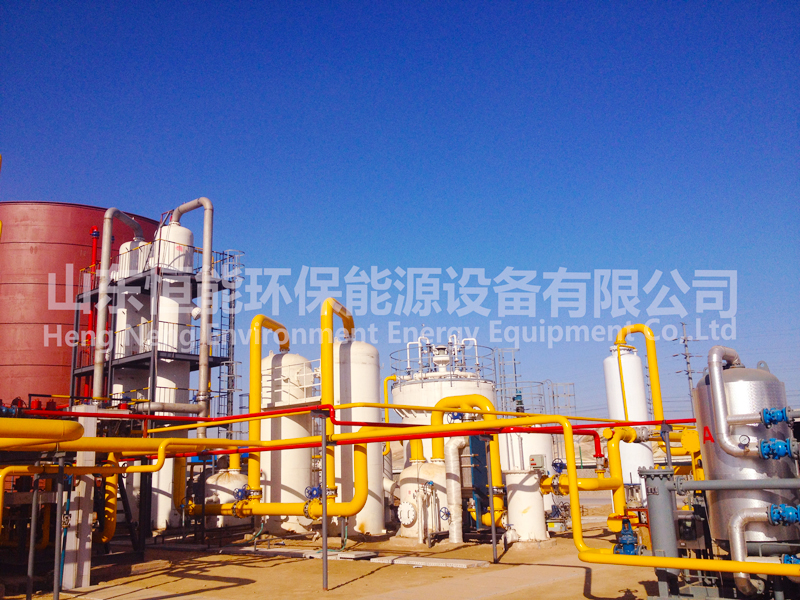
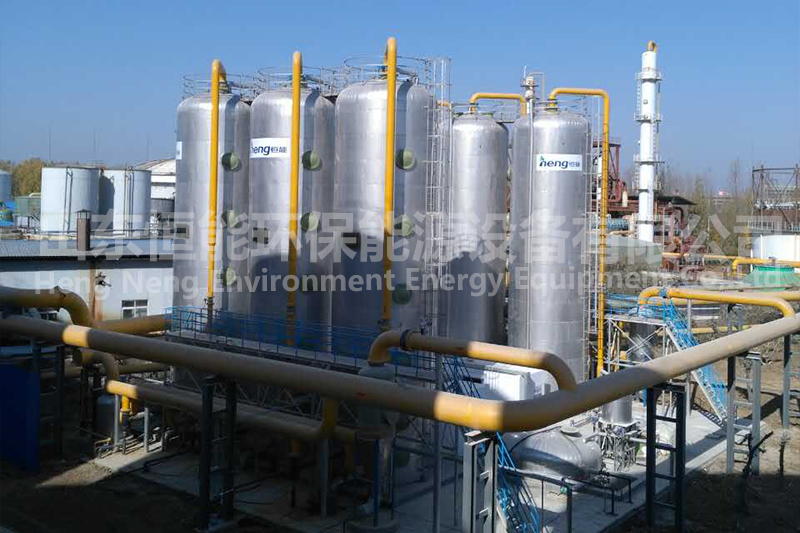
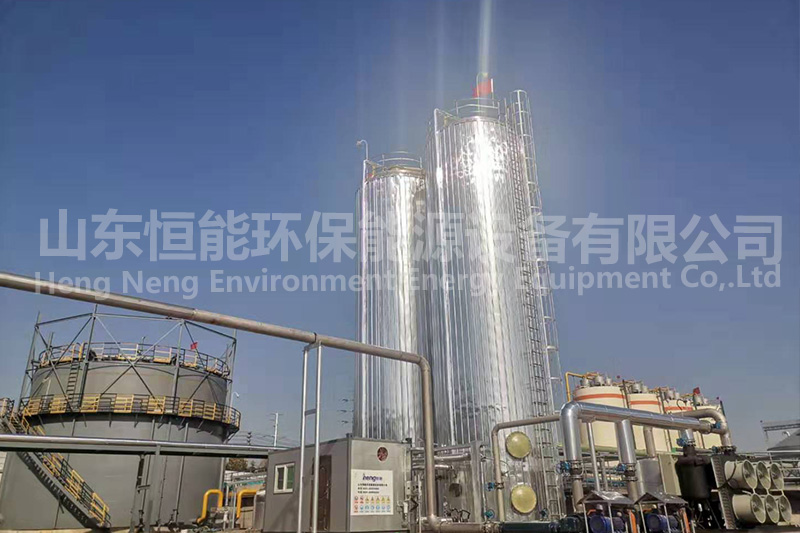
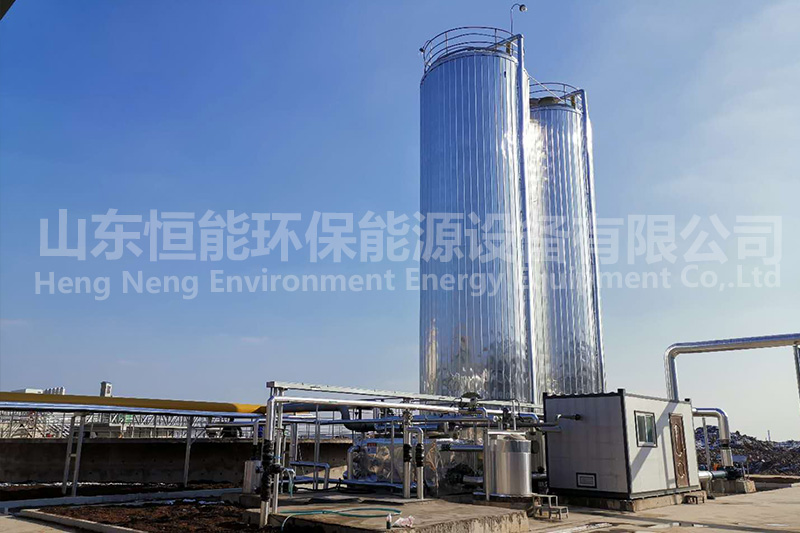
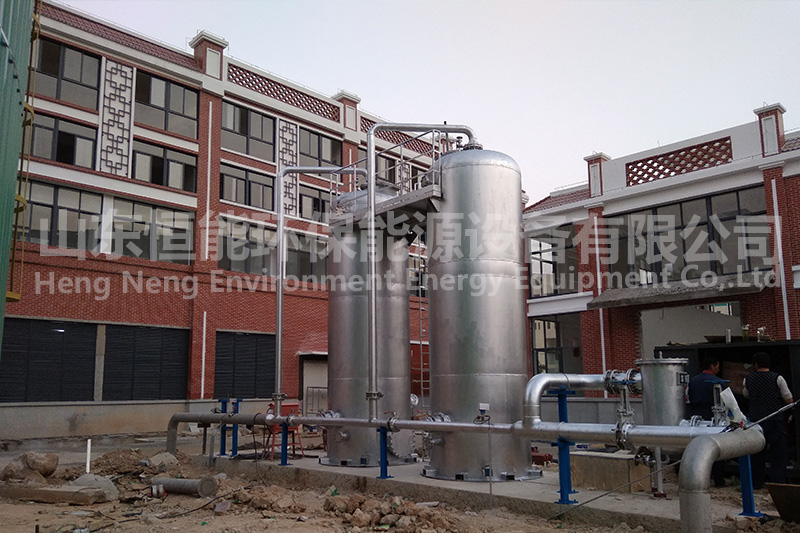
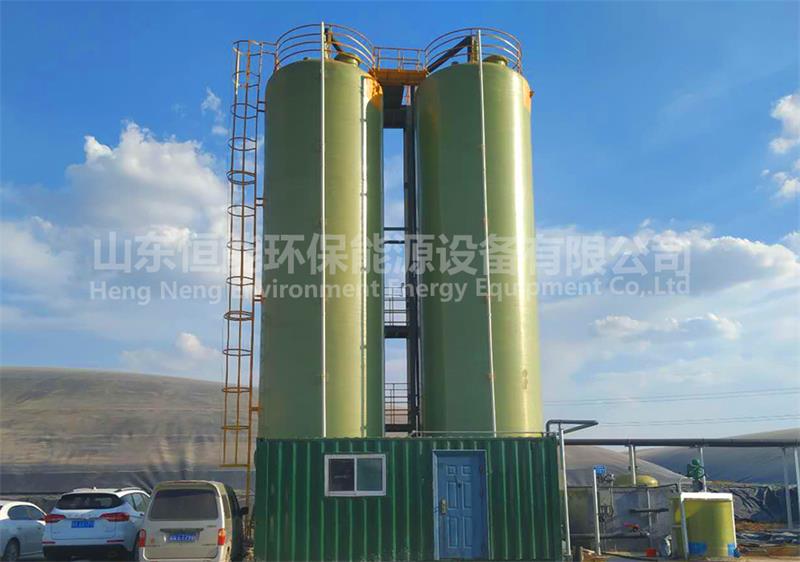
变压吸附法利用吸附剂对不同气体吸附能力的差异来实现分离。当沼气在加压状态下通过装有活性炭或硅胶的吸附塔时,二氧化碳、硫化氢等杂质被吸附剂“捕获”,而甲烷则顺利通过。当吸附剂饱和后,通过减压使其再生。这种工艺的非常大优势在于甲烷回收率,通常可达97%左右,且无需使用化学溶剂,无二次污染。然而,它对原料气的预处理要求较高,且设备中包含大量频繁动作的阀门,对控制系统的精度和稳定性提出了挑战,更适合中大規模的集中式处理项目。
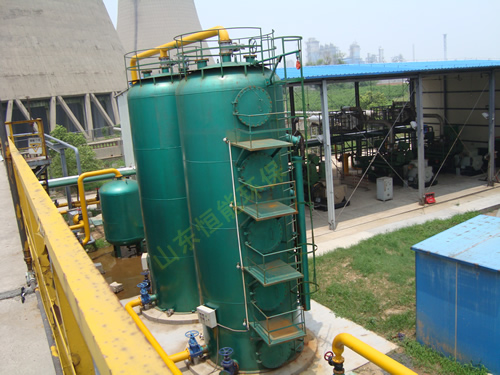
The pressure swing adsorption method utilizes the difference in adsorption capacity of adsorbents for different gases to achieve separation. When biogas passes through an adsorption tower equipped with activated carbon or silica gel under pressure, impurities such as carbon dioxide and hydrogen sulfide are "captured" by the adsorbent, while methane passes smoothly. After the adsorbent is saturated, it is regenerated by reducing pressure. The biggest advantage of this process is its extremely high methane recovery rate, usually around 97%, and it does not require the use of chemical solvents or secondary pollution. However, it has high requirements for the pretreatment of raw gas and contains a large number of frequently operated valves in the equipment, which poses challenges to the accuracy and stability of the control system and is more suitable for medium to large-scale centralized processing projects.
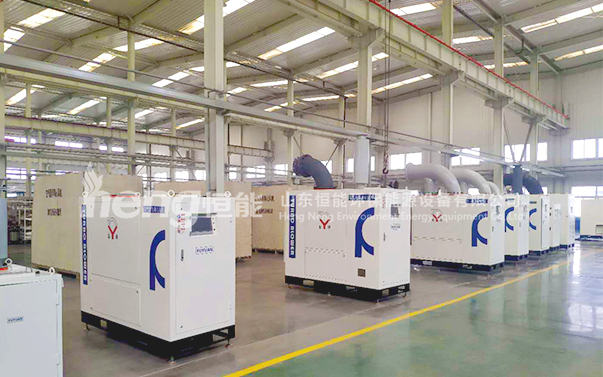
相比之下,膜分离技术则展现了“轻量化”与“智能化”的魅力。该技术利用特殊的高分子膜材料,基于气体组分渗透速率的差异进行分离——二氧化碳等“快气”优先透过膜壁排出,甲烷作为“慢气”被截留提纯。膜法工艺设备出彩其紧凑,常采用撬装式设计,占地面积小,且全自动化运行,维护成本出彩低。虽然其甲烷回收率略低于变压吸附(约92%-95%),但其能耗低、启动快、适应负荷波动能力强的特点,使其在中小型沼气工程及分布式能源项目中出彩具竞争力。
In contrast, membrane separation technology has demonstrated the charm of "lightweight" and "intelligent". This technology utilizes special polymer membrane materials for separation based on the difference in gas component permeation rates - "fast gases" such as carbon dioxide are preferentially discharged through the membrane wall, while methane is intercepted and purified as a "slow gas". The membrane process equipment is extremely compact, often adopting a modular design with a small footprint and fully automated operation, resulting in extremely low maintenance costs. Although its methane recovery rate is slightly lower than that of pressure swing adsorption (about 92% -95%), its low energy consumption, fast start-up, and strong adaptability to load fluctuations make it highly competitive in small and medium-sized biogas projects and distributed energy projects.
此外,高压水洗法虽然技术成熟,但耗水量大且需处理废水;化学吸收法虽然提纯精度高,但存在溶剂损耗和再生能耗高的问题。因此,在实际工程选型中,往往需要根据气源规模、场地条件、能源价格及非常终产品用途,在变压吸附的“高回收率”与膜分离的“低运维成本”之间寻找非常佳平衡点。
In addition, although the high-pressure water washing method is technically mature, it consumes a large amount of water and requires wastewater treatment; Although the chemical absorption method has high purification accuracy, it has problems with solvent loss and high regeneration energy consumption. Therefore, in practical engineering selection, it is often necessary to find the optimal balance between the "high recovery rate" of pressure swing adsorption and the "low operation and maintenance cost" of membrane separation based on the scale of the gas source, site conditions, energy prices, and the final product use.
 企业二维码
企业二维码


 2026-05-25







 鲁公网安备37011202000764号号